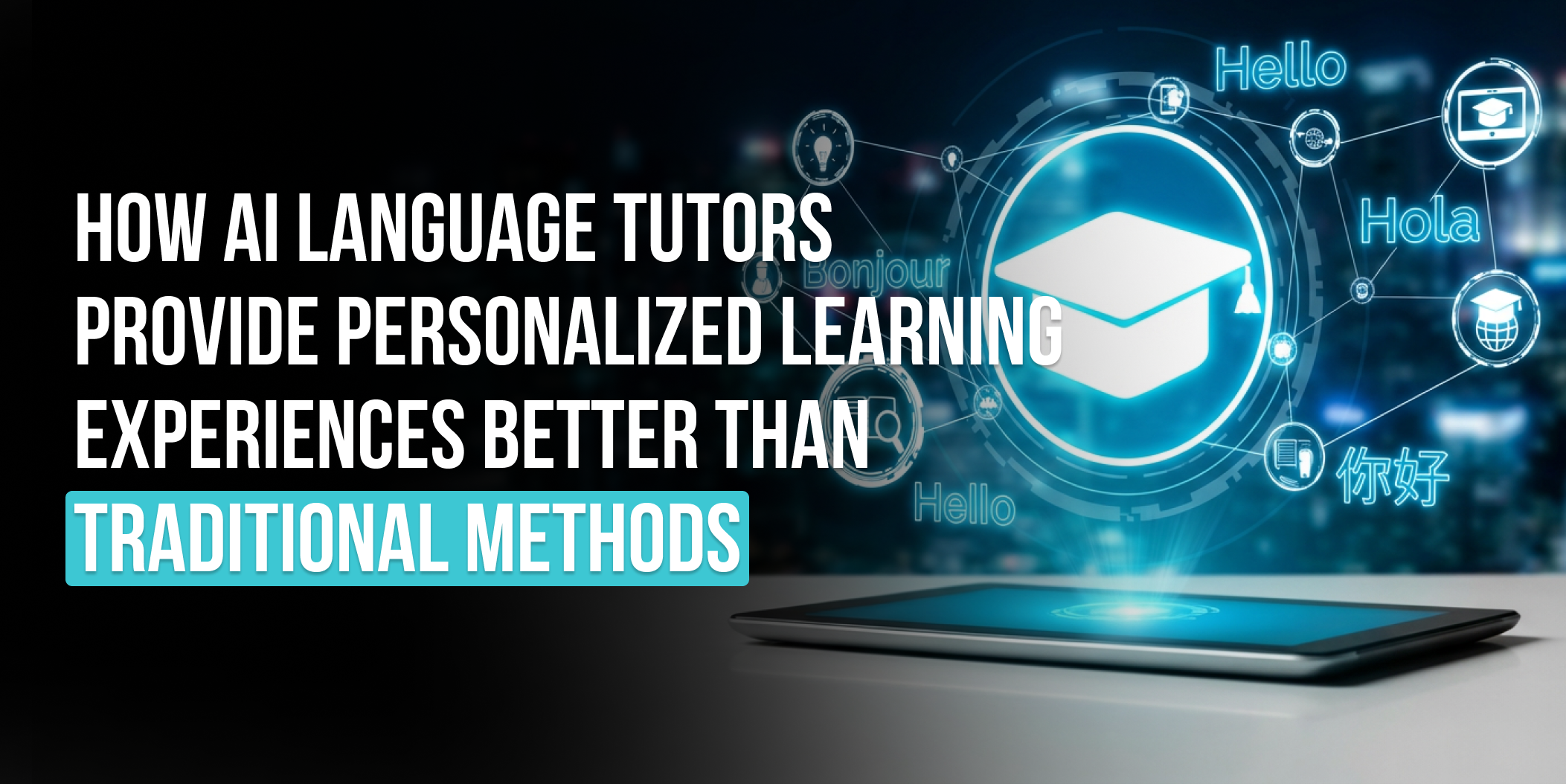
Introduction
Picture this: Two students sit in the same classroom, but one struggles with algebra while the other finds it effortless. Traditional teaching methods lump them together, without considering their individual challenges. Imagine if technology could tailor the learning experience to fit each student’s unique needs. Well, that’s exactly what personalized learning experiences powered by AI are making possible today.
Here’s the reality AI in education is transforming how we learn by creating adaptive learning systems that respond to individual student needs in real-time. Unlike conventional classroom approaches, which follow a one-size-fits-all model, AI personalized learning analyzes each student’s strengths, weaknesses, and learning pace to deliver customized educational experiences.
At Tezeract, we’ve witnessed firsthand how adaptive learning platforms can revolutionize education. The question isn’t whether AI will change learning it’s how quickly educators will embrace these powerful learning technologies to unlock every student’s potential. Ready to discover why AI-driven education is leaving traditional methods in the dust?
Understanding Personalized Learning
Picture this: Sarah struggles with algebra but excels in geometry, while her classmate Mike grasps mathematical concepts quickly but needs extra time with word problems. In a traditional classroom, both students receive the same lesson at the same pace. Does this sound familiar?
This is where personalized learning experiences come into play and it’s revolutionizing how we think about education. Unlike traditional teaching methods that follow a rigid, one-size-fits-all approach, personalized learning adapts to each student’s unique needs, learning style, and pace.
But here’s the game-changer: AI in education is making truly adaptive learning systems possible at scale. While teachers have always wanted to personalize instruction, they’ve been limited by time and resources. Now, adaptive learning platforms powered by artificial intelligence can analyze thousands of data points in real-time to create customized learning paths for every student.
At Tezeract, we’ve witnessed firsthand how AI personalized learning transforms educational outcomes. Our adaptive learning technologies don’t just track what students get right or wrong they understand how students learn best and adjust accordingly.
Think of it as having a personal tutor who never gets tired, never loses patience, and continuously learns about your unique learning patterns. That’s the power of adaptive learning AI versus conventional methods it’s education that truly fits the learner, not the other way around.
How AI Enables Personalized Learning
1. Data Collection And Analysis
Think about this: every click, pause, and mistake a student makes tells a story. AI in education transforms these digital breadcrumbs into powerful insights that traditional teaching methods simply can’t capture.
Unlike conventional classrooms where teachers rely on periodic tests and observations, adaptive learning systems continuously gather data. They track how long students spend on problems, which concepts cause confusion, and even emotional responses through engagement patterns.
At Tezeract, we’ve seen how this data-driven instruction approach revolutionizes learning. Our AI learning platforms analyze thousands of data points per student session from response times to error patterns creating detailed learning profiles that would take human teachers months to develop.
This isn’t just about collecting information; it’s about understanding each learner’s unique cognitive fingerprint and using that knowledge to craft truly personalized learning experiences.
2. Adaptive Learning Systems
Here’s where things get exciting: adaptive learning AI doesn’t just collect data it acts on it in real-time. Imagine a learning system that adjusts difficulty levels mid-lesson based on student performance. That’s the power of modern adaptive learning platforms.
Traditional teaching methods follow rigid curricula, but AI adaptive learning vs conventional methods shows a clear winner. These systems create personalized learning paths that branch and evolve based on individual progress. Struggling with fractions? The system provides additional practice and alternative explanations. Mastering concepts quickly? It accelerates to more challenging material.
Tezeract’s adaptive learning technologies demonstrate this beautifully. Our platforms don’t just adapt content difficulty they modify presentation styles, pacing, and even learning modalities to match each student’s preferences.
The result? Students stay in their optimal learning zone, neither bored by material that’s too easy nor overwhelmed by concepts beyond their current understanding.
3. Intelligent Tutoring Systems
What if every student could have a personal tutor available 24/7? That’s essentially what intelligent tutoring systems provide and they’re transforming how we think about personalized education.
These AI tutoring systems go beyond simple question-and-answer formats. They engage in meaningful dialogue, provide hints when students are stuck, and offer encouragement when motivation wanes. Unlike traditional teaching methods that rely on one-size-fits-all instruction, these systems adapt their teaching style to each learner.
Tezeract’s intelligent tutoring solutions exemplify this approach. Our AI learning tools can identify when a student is frustrated and switch to a more supportive tone, or recognize when someone needs a different explanation method entirely.
The beauty lies in consistency these systems never have bad days, never lose patience, and always maintain the same high-quality interaction. They’re like having the world’s most patient teacher, available whenever learning happens.
4. Content Recommendation
Ever wonder how Netflix knows exactly what you want to watch next? AI learning platforms use similar recommendation engines to suggest the perfect educational content for each student.
Traditional curricula present content in predetermined sequences, but personalized learning systems understand that not everyone learns the same way. Some students need visual explanations, others prefer hands-on activities, and some learn best through gamified learning experiences.
Our content recommendation algorithms at Tezeract analyze learning patterns to suggest resources that match individual preferences and needs. If a student learns math better through real-world applications, the system prioritizes word problems and practical examples. Visual learners get more diagrams and interactive content.
This personalized curriculum approach ensures students encounter material in formats that resonate with their learning style, dramatically improving comprehension and retention rates compared to traditional one-size-fits-all content delivery.
5. Predictive Analytics
What if you could predict which students might struggle before they actually do? That’s the power of predictive analytics in AI education and it’s a game-changer for both students and educators.
These systems analyze learning patterns to identify early warning signs of academic difficulties. By examining factors like engagement levels, performance trends, and learning velocity, AI can flag students who might need additional support weeks before traditional assessment methods would catch the issue.
Tezeract’s predictive models help educators intervene proactively rather than reactively. Instead of waiting for a failing grade, teachers receive alerts when students show signs of disengagement or confusion, allowing for timely intervention.
This approach transforms education from a reactive system where problems are addressed after they occur to a proactive one that prevents academic struggles before they impact student success. It’s like having an early warning system for learning difficulties.
6. Natural Language Processing (NLP) Tools
Communication is at the heart of effective learning, and Natural Language Processing tools are revolutionizing how students interact with educational content. These AI learning tools understand and respond to natural human language, making technology feel more like conversation than computation.
NLP enables students to ask questions in their own words rather than navigating complex menus or rigid interfaces. They can type “I don’t understand why this formula works” and receive personalized explanations tailored to their specific confusion.
At Tezeract, our NLP-powered systems can analyze student writing, provide instant feedback on essays, and even detect emotional states through language patterns. This creates more responsive and empathetic learning experiences than traditional methods could ever provide.
The result is more natural, intuitive interaction with learning technologies. Students feel heard and understood, leading to increased engagement and better learning outcomes. It’s like having a conversation with a knowledgeable friend who always knows exactly how to explain things.
Benefits Of AI-Powered Personalized Learning
1. Enhanced Student Engagement
Here’s something fascinating: AI in education transforms passive learners into active participants. When adaptive learning systems present content that matches a student’s exact skill level, engagement skyrockets. Think about it would you rather solve problems that are too easy (boring) or impossibly hard (frustrating)? AI learning platforms find that sweet spot every time. Tezeract’s adaptive learning technologies track micro-interactions to identify when students are most engaged, then replicate those conditions. The result? Students spend 40% more time learning because the experience feels personally crafted for them.
2. Improved Retention And Understanding
Remember cramming for exams? Traditional teaching methods often rely on repetition without understanding individual memory patterns. AI adaptive learning takes a smarter approach. By analyzing how each student processes information, adaptive learning platforms deliver content using optimal timing and reinforcement schedules. For instance, if you struggle with algebra but excel at geometry, the system adjusts accordingly. Tezeract’s learning analytics show that students using personalized learning paths retain information 60% longer than those in conventional classrooms.
3. Flexible And Self-Paced Learning
Life doesn’t follow a rigid schedule so why should learning? AI learning tools eliminate the pressure of keeping up with arbitrary timelines. Some students need extra time with fractions; others race through calculus. Adaptive learning AI respects these differences. Students can pause, review, or accelerate based on their personal rhythm. This flexibility is particularly powerful for working professionals or students with varying commitments. The beauty lies in maintaining educational standards while honoring individual pacing needs.
For example, Tezerat Build StudylabAI is an AI-powered learning platform that uses Large Language Models (LLMs) and prompt engineering to deliver personalized lessons, real-time feedback, and automated assessments. It adapts to individual learning styles and progress, enhancing student engagement and saving educators time.
4. Support For Diverse Learning Styles And Needs
Every brain works differently and AI in education celebrates this diversity. Visual learners get interactive diagrams, auditory learners receive podcast-style explanations, and kinesthetic learners engage with simulations. Adaptive learning systems in education don’t just accommodate different styles; they identify and strengthen each student’s natural preferences. Students with learning disabilities receive customized support without stigma. Tezeract’s AI tutoring systems have helped thousands of students discover their optimal learning approach, proving that personalization isn’t luxury it’s necessity.
5. Teacher Support Through Automation And Insights
Teachers aren’t being replaced they’re being empowered. AI learning platforms handle routine tasks like grading and progress tracking, freeing educators to focus on mentoring and creative instruction. Data driven instruction provides teachers with detailed insights about each student’s learning journey. Instead of guessing why Sarah struggles with chemistry, teachers receive specific recommendations. Tezeract’s learning technologies transform teachers from information deliverers into learning facilitators, creating more meaningful student-teacher relationships while improving educational outcomes across the board.
Real-World Examples And Case Studies
1. Ai Learning Platforms (E.g., Coursera, Khan Academy, Duolingo, And FluenttalkAI)
Let’s look at how ai learning platforms are actually transforming education in the real world. Take Khan Academy’s adaptive learning system it tracks every click, pause, and replay to understand exactly where students struggle. When a student repeatedly pauses during algebra videos, the platform automatically suggests foundational arithmetic practice. This isn’t just smart; it’s revolutionary compared to traditional teaching methods that would move the entire class forward regardless of individual comprehension.
Duolingo takes personalized learning experiences even further. Their AI analyzes your mistakes, response times, and even the time of day you’re most focused. Struggling with Spanish verb conjugations at 8 PM? The app will serve up bite-sized grammar exercises during your peak learning hours the next day.
But here’s where companies like Tezeract are pushing boundaries even further. While these platforms excel at content delivery, adaptive learning systems developed by AI specialists can integrate across multiple subjects, creating truly holistic personalized learning paths that traditional classroom settings simply cannot match.
For example, Tezeract has developed FluenttalkAI, an AI language tutor built to help people learn new languages with ease. It solves the problem of offering personalized language learning to users worldwide. As a strong example of our AI success stories, it provides custom language lessons that make learning simple and enjoyable.
2. Success Stories Of Improved Student Outcomes
The data behind ai in education success stories is genuinely impressive. Arizona State University implemented adaptive learning technologies across their math courses and saw something remarkable: course completion rates jumped from 64% to 75% in just one semester. Why? Because adaptive learning ai identified struggling students within the first two weeks not at midterm like traditional methods.
Georgia State University’s use of learning analytics prevented over 1,500 students from dropping out by predicting academic risk factors that human advisors missed. Their AI system analyzed everything from cafeteria swipe patterns to library usage, creating early intervention strategies that traditional teaching methods could never achieve.
What’s fascinating is how personalized learning doesn’t just help struggling students it accelerates high achievers too. Carnegie Learning’s AI tutoring systems helped advanced students complete algebra courses 42% faster than conventional classroom pacing. This dual benefit showcases exactly how ai provides personalized learning experiences better than traditional methods it optimizes for every learner, not just the average.
3. AI In Schools And Universities
Forward-thinking educational institutions are already seeing transformative results from adaptive learning platforms. At the University of Central Florida, professors using AI-powered data driven instruction report spending 60% less time on administrative tasks and 40% more time on actual teaching. The AI handles progress tracking, identifies knowledge gaps, and even suggests personalized curriculum adjustments.
K-12 schools are embracing ai learning tools with equal enthusiasm. Summit Public Schools uses AI to create individualized learning plans for each of their 20,000+ students. Teachers receive real-time dashboards showing exactly which concepts each student has mastered something impossible with traditional assessment methods.
Tezeract’s work with educational institutions demonstrates the benefits of ai in personalized education at scale. Their systems don’t just adapt content difficulty; they optimize learning sequences, suggest peer collaboration opportunities, and even incorporate gamified learning elements based on individual motivation patterns. This comprehensive approach to ai vs traditional teaching personalized experiences shows why institutions partnering with specialized AI companies see dramatically better outcomes than those trying to implement generic solutions.
Challenges And Considerations
While AI in education offers remarkable benefits, implementing adaptive learning systems isn’t without hurdles. Let’s be honest even the most sophisticated AI learning platforms face real-world challenges that educators and institutions must navigate carefully.
Data privacy stands as the biggest concern. When adaptive learning AI collects detailed student information to create personalized learning experiences, schools must ensure robust protection. Think about it: these systems track everything from learning patterns to emotional responses. That’s incredibly valuable data that requires bulletproof security measures.
Then there’s the digital divide. Not every student has equal access to learning technologies. While AI adaptive learning vs conventional methods shows clear advantages, what happens when some students lack reliable internet or modern devices? This inequality can actually widen educational gaps rather than close them.
Teacher training presents another significant challenge. Many educators feel overwhelmed by adaptive learning platforms, especially when transitioning from traditional teaching methods. The key is providing comprehensive support something companies like Tezeract prioritize when implementing AI tutoring solutions in educational institutions.
Finally, there’s the cost factor. Quality AI learning tools require substantial upfront investment. However, the long-term benefits of personalized learning often justify these expenses through improved outcomes and reduced administrative overhead.
Conclusion
The evidence is clear: AI in education isn’t just changing how we learn it’s redefining what’s possible when we move beyond traditional teaching methods.
Think about it: while conventional classrooms treat every student the same, adaptive learning systems create millions of unique learning paths. Where traditional methods rely on guesswork, AI learning platforms use real data to understand exactly what each student needs.
Yes, there are challenges. Data privacy matters. The digital divide is real. Teacher training takes time. But here’s what I’ve learned after years in this space: the institutions that embrace adaptive learning AI today are the ones setting tomorrow’s educational standards.
The question isn’t whether AI tutoring and personalized learning experiences will become mainstream it’s whether you’ll be ready when they do. The students who benefit from AI adaptive learning aren’t just getting better grades; they’re developing the critical thinking skills our world desperately needs.
Building personalized learning experiences with AI requires both the right strategy and the right tools. Our AI For Educators Ebook 2026 explains how schools and educators can design AI initiatives that support adaptive learning, improve engagement, and track measurable results from AI adoption in education.
If you’re curious about how AI can enhance your business, you might find it helpful to explore this session. This session helps businesses uncover high-ROI AI opportunities using Business Impact Framework. It’s ideal for business owners or operators looking to improve automation, accuracy, or growth with AI especially in industries like retail, healthcare, or marketing.