Introduction
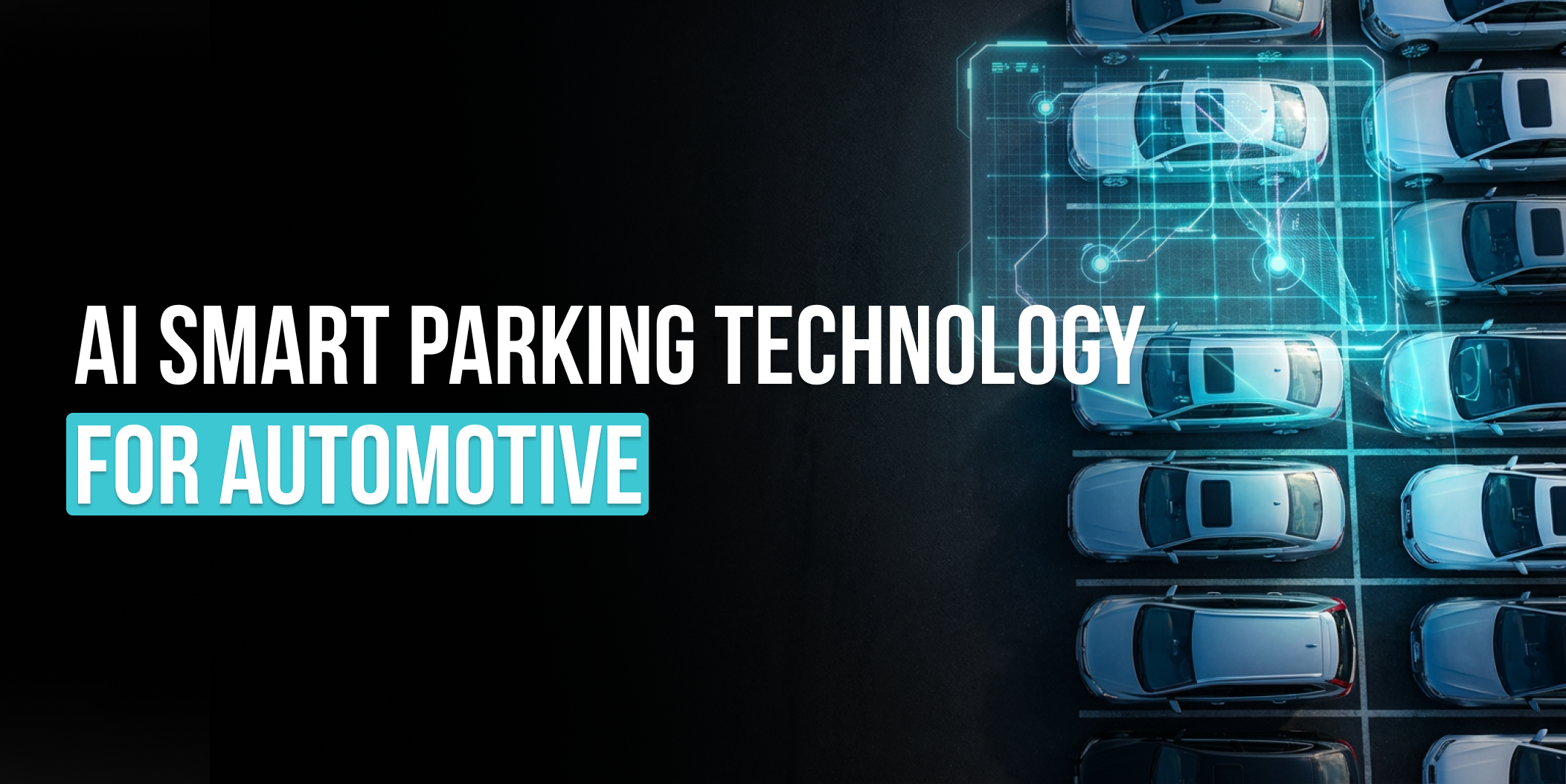
Picture this: you’re circling a crowded mall parking lot for the third time, watching your fuel gauge drop while your stress levels spike. Sound familiar? Here’s the thing this frustrating scenario is becoming a relic of the past, thanks to AI smart parking technology that’s revolutionizing how we think about automotive parking.
As someone who’s spent years analyzing tech trends, I can tell you that intelligent parking systems aren’t just a nice-to-have anymore they’re becoming essential infrastructure. The automotive industry is experiencing a massive shift, and smart parking for automotive applications is at the forefront of this transformation.
But here’s what most people don’t realize: we’re not just talking about finding empty spots faster. Modern smart parking systems leverage computer vision, IoT sensors, and machine learning to create seamless experiences that save time, reduce emissions, and optimize urban space usage. At Tezeract, we’ve witnessed firsthand how these ai parking solutions are reshaping entire city landscapes and automotive ecosystems. The question isn’t whether this technology will become mainstream it’s how quickly businesses and municipalities will adapt to stay competitive.
AI Smart Parking Technology In Automotive
1. Core Components And Mechanisms
Let’s break down what makes intelligent parking systems tick. At its heart, AI smart parking technology relies on three fundamental pillars that work together seamlessly.
First, we have IoT sensors embedded throughout parking facilities. These tiny but powerful devices constantly monitor space availability, detecting when vehicles enter or leave spots. Think of them as the nervous system of your parking infrastructure.
Next comes computer vision for parking space detection. High-resolution cameras equipped with deep learning algorithms can identify available spaces, read license plates, and even detect parking violations in real-time. It’s like having thousands of vigilant parking attendants that never take a break.
The third component? Machine learning engines that process all this data. These systems learn from patterns, predict peak usage times, and optimize space allocation. When you combine these elements, you get smart parking for automotive that actually thinks ahead.
What makes this particularly exciting is how these components communicate. IoT parking management creates a connected ecosystem where every sensor, camera, and algorithm shares information instantly. The result? A parking experience that feels almost magical to users.
2. How AI Enhances Automotive Parking Solutions
Here’s where things get really interesting. AI parking solutions don’t just find empty spots they revolutionize the entire parking experience from start to finish.
Traditional parking feels like a guessing game, right? You drive around hoping to stumble upon an open space. But how AI enhances automotive parking solutions changes this completely. AI predicts where spaces will become available based on historical data and current patterns.
Dynamic parking pricing is another game-changer. Instead of fixed rates, AI adjusts prices based on demand, time of day, and special events. This naturally distributes traffic and maximizes revenue a win-win for both operators and users.
The impact of AI on parking management and efficiency extends beyond just finding spots. AI systems can guide drivers along the most efficient routes to available spaces, reducing traffic congestion by up to 40% in busy areas.
At Tezeract, we’ve seen how automated parking solutions can transform entire city districts. Our AI systems don’t just manage parking they create smarter, more livable urban environments. The technology learns and adapts, becoming more efficient over time.
3. Integration With Vehicle Systems
The magic really happens when smart parking systems talk directly to your car. Modern vehicles are essentially computers on wheels, and this connectivity opens up incredible possibilities.
Intelligent parking assist features can now communicate with parking infrastructure before you even arrive. Your car receives real-time updates about available spaces, pricing, and optimal routes. It’s like having a personal parking concierge.
This integration enables automated parking system functionality where vehicles can actually park themselves. The car communicates with parking sensors and guidance systems to navigate into tight spaces with precision that often exceeds human capability.
Benefits of intelligent parking systems in vehicles include reduced stress, fuel savings, and time efficiency. When your car knows exactly where to go, you eliminate the frustrating search process entirely.
The future of automated parking technology in automotive industry points toward fully autonomous parking experiences. Imagine dropping off your car at a building entrance and having it park itself in the optimal spot.
4. Role Of Sensors, Cameras, And Real-Time Analytics
Let’s dive into the technical backbone that makes all this possible. Parking sensors are the unsung heroes of modern parking infrastructure, working 24/7 to monitor every space.
Ultrasonic and magnetic sensors detect vehicle presence with remarkable accuracy. But here’s what’s really clever these parking sensors don’t just detect occupancy. They can distinguish between different vehicle types, detect parking violations, and even monitor environmental conditions.
License plate recognition powered by computer vision adds another layer of intelligence. LPR technology enables automatic payment processing, access control, and security monitoring. No more fumbling for tickets or worrying about expired meters.
Real-time analytics tie everything together. AI and IoT in smart parking management creates a continuous feedback loop where systems learn and improve constantly. Vehicle detection algorithms become more accurate, parking guidance systems become more efficient, and predictive maintenance prevents equipment failures before they happen.
The beauty of this approach is its scalability. Whether you’re managing a small office parking lot or a massive airport facility, the same core technologies adapt to your specific needs. Dynamic pricing algorithms adjust to local conditions, while deep learning algorithms continuously optimize performance based on actual usage patterns.
Benefits Of Intelligent Parking Systems In Vehicles
1. Increased Efficiency And Reduced Search Time
Here’s something that’ll blow your mind: the average driver spends 17 minutes searching for parking. That’s nearly 70 hours per year just circling around! But intelligent parking systems are changing this game completely.
Think about it this way when your vehicle connects to smart parking infrastructure, it’s like having a personal parking concierge. These AI parking solutions use real-time data from parking sensors and computer vision for parking space detection to instantly identify available spots. Instead of driving around aimlessly, your car’s navigation system guides you directly to an open space.
At Tezeract, we’ve seen how automated parking solutions can reduce search time by up to 85%. The system analyzes traffic patterns, predicts availability, and even reserves spots for you. It’s not just convenient it’s transformative for urban mobility and fuel efficiency.
2. Enhanced Safety For Drivers And Pedestrians
Safety isn’t just a nice-to-have feature it’s absolutely critical. And here’s where intelligent parking assist technology really shines.
Traditional parking involves a lot of guesswork, tight maneuvers, and potential accidents. But with AI-powered systems, your vehicle becomes incredibly aware of its surroundings. Advanced parking sensors create a 360-degree safety bubble, detecting pedestrians, other vehicles, and obstacles in real-time.
The beauty of these automated parking systems lies in their precision. They eliminate human error the leading cause of parking-related accidents. Vehicle detection algorithms ensure your car never gets too close to another object, while deep learning algorithms continuously improve safety protocols.
What’s really exciting is how these systems protect pedestrians too. Smart parking technology can detect foot traffic patterns and adjust vehicle movements accordingly, creating safer parking environments for everyone.
3. Improved User Experience With Automated Assistance
Let’s be honest parking can be stressful, especially in tight spaces or busy areas. But imagine if your car could handle the entire process while you sit back and relax.
That’s exactly what modern intelligent parking systems deliver. These AI parking solutions don’t just find spaces they actually park your vehicle with millimeter precision. The system uses computer vision and IoT smart parking infrastructure to create a seamless, stress-free experience.
Here’s what makes it special: the technology learns your preferences over time. It remembers if you prefer spots closer to entrances, avoid tight spaces, or need accessibility features. This personalization makes every parking experience better than the last.
At Tezeract, we’ve developed solutions that integrate with mobile apps, allowing users to reserve, pay for, and even extend parking sessions remotely. It’s convenience redefined turning a daily hassle into a smooth, automated process that just works.
4. Optimized Space Utilization And Revenue
Here’s a fascinating statistic: most parking facilities operate at only 60-70% efficiency. That’s a massive opportunity waiting to be unlocked through smart technology.
Intelligent parking systems transform how spaces are managed and monetized. Through IoT parking management and real-time analytics, these systems track usage patterns, peak hours, and demand fluctuations. This data enables dynamic pricing strategies that maximize revenue while ensuring optimal space utilization.
Think of it like airline pricing spaces cost more during peak demand and less during off-hours. This approach not only increases revenue but also distributes parking demand more evenly throughout the day.
The impact of AI on parking management and efficiency extends beyond just filling spaces. License plate recognition technology enables seamless entry and exit, reducing bottlenecks and improving turnover rates. Predictive maintenance algorithms ensure equipment stays operational, minimizing downtime and maximizing earning potential for parking operators.
Notable Applications And Examples Of Smart Parking For Automotive
Automated Park Assist Technology
Here’s where things get really exciting for drivers who’ve ever broken into a sweat trying to parallel park. Automated park assist technology represents the pinnacle of intelligent parking systems, combining computer vision for parking space detection with precision vehicle control.
Think of it as having a professional valet built right into your car. The system uses parking sensors and deep learning algorithms to scan for suitable spaces, then takes complete control of steering while you manage the pedals. What makes this technology truly remarkable is its millimeter-perfect accuracy something even experienced drivers struggle to achieve consistently.
At Tezeract, we’ve seen how automated parking solutions can reduce parking-related accidents by up to 40%. The system doesn’t just park your car; it learns your preferences over time. Do you prefer corner spots? Need extra space for your doors? The intelligent parking assist remembers and adapts.
The real game-changer? These systems work in spaces that many drivers wouldn’t even attempt. They can handle tight spots, angled parking, and even complex multi-step maneuvers that would challenge seasoned drivers.
Real-Time Parking Space Detection And Prediction
Ever wondered how some parking systems seem to know exactly where spaces will open up before they actually do? That’s the magic of predictive AI parking solutions at work.
Real-time detection goes far beyond simple occupancy monitoring. Advanced computer vision for parking space detection analyzes patterns, predicts when spaces will become available, and even estimates how long current occupants might stay. It’s like having a crystal ball for parking.
The technology combines IoT smart parking sensors with machine learning to create incredibly accurate predictions. For instance, if the system notices that cars typically leave a business district around 5 PM, it can guide incoming drivers to those areas just before the exodus begins.
Tezeract’s implementation of this technology has helped reduce average parking search time from 15 minutes to just 2 minutes in busy urban areas. The system doesn’t just tell you where spaces are it tells you where they’re about to be. This predictive capability transforms the entire parking experience from reactive hunting to proactive guidance.
What’s particularly impressive is how these systems learn from seasonal patterns, special events, and even weather conditions to refine their predictions continuously.
License Plate Recognition For Smart Entry And Exit
Remember the days of fumbling for parking tickets or worrying about losing them? License plate recognition (LPR) technology has made those concerns obsolete while creating seamless parking experiences.
LPR technology works like a digital doorman that never forgets a face or in this case, a license plate. The moment your vehicle approaches a parking facility, cameras capture and process your plate information instantly. No stopping, no tickets, no hassle.
But here’s where it gets really smart: the system doesn’t just recognize plates; it connects them to user profiles, payment methods, and parking preferences. Regular parkers get VIP treatment with reserved spots, while the system automatically handles billing and access control.
The security benefits are substantial too. The technology creates detailed logs of every vehicle entry and exit, making parking facilities significantly safer. If there’s ever an incident, administrators have complete visibility into who was where and when.
Tezeract’s LPR solutions have helped parking operators reduce staffing costs by up to 60% while improving customer satisfaction scores. The technology handles everything from access control to payment processing, creating a truly touchless parking experience that drivers love.
Community-Based AI Parking Initiatives
What if entire neighborhoods could share parking intelligence? Community-based AI parking initiatives are making this vision a reality, creating connected ecosystems where smart parking systems communicate across multiple locations.
These initiatives work like a neighborhood watch program for parking spaces. When one building’s system detects available spots, it can share that information with nearby facilities, creating a network of intelligent parking assist systems that benefit everyone.
The impact on urban mobility is profound. Instead of circling blocks looking for parking, drivers receive real-time guidance to available spaces across entire districts. Dynamic pricing models automatically adjust rates based on demand, encouraging optimal space utilization throughout the community.
IoT parking management systems in these initiatives collect anonymized data to identify traffic patterns and parking trends. This information helps city planners make better decisions about infrastructure development and traffic flow optimization.
Tezeract has pioneered several community-based parking projects that have reduced traffic congestion by up to 25% in participating areas. The key is creating systems that benefit individual users while contributing to broader urban efficiency goals. When parking becomes truly intelligent at the community level, everyone wins.
Challenges And Considerations In Smart Parking System Adoption
Environmental And Weather Adaptation
Here’s something most people don’t think about when discussing intelligent parking systems: Mother Nature doesn’t always cooperate. Rain, snow, fog, and extreme temperatures can seriously mess with your parking sensors and computer vision for parking space detection.
Think about it if your IoT smart parking sensors can’t distinguish between a puddle and an empty spot, you’ve got a problem. Weather conditions affect everything from camera visibility to sensor accuracy. That’s why at Tezeract, we’ve seen clients struggle with systems that work perfectly on sunny days but fail during storms.
The solution? Look for automated parking solutions that include weatherproof housing, heated camera lenses, and adaptive algorithms that adjust to environmental changes. Smart parking systems need to be as reliable as your car’s headlights working when you need them most.
Data Privacy And Security Concerns
Let’s talk about the elephant in the room: your data. When you’re using ai smart parking technology, you’re sharing location patterns, payment information, and sometimes even license plate recognition data. Are you comfortable with that?
The impact of ai on parking management and efficiency is undeniable, but it comes with responsibility. Every time your vehicle connects to an intelligent parking assist system, it creates a digital footprint. Hackers could potentially access parking databases, track your movements, or steal payment credentials.
Smart organizations prioritize end-to-end encryption, regular security audits, and transparent data policies. Before adopting any iot parking management system, ask: Who has access to my data? How long is it stored? Can I opt out? These aren’t just technical questions they’re about your privacy and peace of mind.
Integration With Existing Infrastructure
Here’s where things get tricky: most parking facilities weren’t built with ai parking solutions in mind. You’re essentially trying to fit a smartphone into a rotary phone system.
Existing parking structures often lack the electrical infrastructure for IoT sensors, the network connectivity for real-time data transmission, or the space for automated parking system components. Retrofitting can be expensive and disruptive imagine closing half your parking garage for weeks while installing new technology.
The key is finding partners who understand legacy systems. At Tezeract, we’ve learned that successful smart parking for automotive integration requires careful planning, phased implementation, and sometimes creative workarounds. Don’t let infrastructure limitations stop you from embracing the future of automated parking technology in automotive industry just plan accordingly.
Conclusion
The future of automated parking technology in the automotive industry isn’t just promising it’s already here, transforming how we think about urban mobility. Smart parking systems powered by AI and IoT are solving real problems that cost drivers time, money, and frustration every single day.
Think about it: when intelligent parking systems can reduce search time by 85% and automated parking solutions handle everything from space detection to payment processing, we’re not just talking about convenience we’re talking about fundamentally better cities. The impact of AI on parking management and efficiency extends far beyond individual drivers to entire urban ecosystems.
But here’s what I’ve learned from working with businesses implementing these technologies: success comes down to choosing the right partner who understands both the technical complexity and practical challenges. Whether it’s weatherproofing sensors, ensuring data security, or integrating with legacy infrastructure, the details matter.
If you’re curious about how AI can enhance your business, you might find it helpful to book a 30-minute strategy session. This session helps businesses uncover high-ROI AI opportunities using Business Impact Framework. It’s ideal for business owners or operators looking to improve automation, accuracy, or growth with AI especially in industries like retail, healthcare, or marketing.