Revolutionizing fashion with data insights, smart inventory, and personalized engagement
Enhance game strategy and player performance with AI solutions for sports
We improve teaching, reduce costs, and expand reach with AI-based platforms
Advance healthcare with AI for personalized care and efficiency
Drive campaigns, boost engagement, and optimize results with AI solutions
AI solutions for smarter real estate management and customer experience
We help retailers cut costs and boost efficiency with AI
Enhance logistics, fleet management, and delivery performance
Streamline operations, reduce costs, and improve efficiency with AI
Optimize investments, detect fraud, and strengthen decision-making
Improve risk assessment, claims processing, and client satisfaction
Automate workflows, analyze cases, and improve client services with AI
We are your strategic partners, skilled in converting your unique challenges into AI-powered strategies
Explore how our company equips businesses, enterprises, and organizations with complete end-to-end AI solutions.
Get a FREE consultation! Our AI experts are ready to help you navigate the future with innovative AI-driven solutions.
Our AI tech stack offers everything you need, from expert AI developers to full-stack expertise.
Our awards showcase our commitment to delivering innovative solutions that drive business transformation.
Find out everything from when to choose us, to the types of work we do, to how the AI development process.
Explore our collection of practical eBooks designed to help business leaders understand AI, automation, and digital transformation. Get actionable insights you can apply with confidence.
Revolutionizing fashion with data insights, smart inventory, and personalized engagement
Enhance game strategy and player performance with AI solutions for sports
We improve teaching, reduce costs, and expand reach with AI-based platforms
Advance healthcare with AI for personalized care and efficiency
Drive campaigns, boost engagement, and optimize results with AI solutions
AI solutions for smarter real estate management and customer experience
We help retailers cut costs and boost efficiency with AI
Enhance logistics, fleet management, and delivery performance
Streamline operations, reduce costs, and improve efficiency with AI
Optimize investments, detect fraud, and strengthen decision-making
Improve risk assessment, claims processing, and client satisfaction
Automate workflows, analyze cases, and improve client services with AI
We are your strategic partners, skilled in converting your unique challenges into AI-powered strategies
Explore how our company equips businesses, enterprises, and organizations with complete end-to-end AI solutions.
Get a FREE consultation! Our AI experts are ready to help you navigate the future with innovative AI-driven solutions.
Our AI tech stack offers everything you need, from expert AI developers to full-stack expertise.
Our awards showcase our commitment to delivering innovative solutions that drive business transformation.
Find out everything from when to choose us, to the types of work we do, to how the AI development process.
Explore our collection of practical eBooks designed to help business leaders understand AI, automation, and digital transformation. Get actionable insights you can apply with confidence.
Revolutionizing fashion with data insights, smart inventory, and personalized engagement
Enhance game strategy and player performance with AI solutions for sports
We improve teaching, reduce costs, and expand reach with AI-based platforms
Advance healthcare with AI for personalized care and efficiency
Drive campaigns, boost engagement, and optimize results with AI solutions
AI solutions for smarter real estate management and customer experience
We help retailers cut costs and boost efficiency with AI
Enhance logistics, fleet management, and delivery performance
Streamline operations, reduce costs, and improve efficiency with AI
Optimize investments, detect fraud, and strengthen decision-making
Improve risk assessment, claims processing, and client satisfaction
Automate workflows, analyze cases, and improve client services with AI
We are your strategic partners, skilled in converting your unique challenges into AI-powered strategies
Explore how our company equips businesses, enterprises, and organizations with complete end-to-end AI solutions.
Get a FREE consultation! Our AI experts are ready to help you navigate the future with innovative AI-driven solutions.
Our AI tech stack offers everything you need, from expert AI developers to full-stack expertise.
Our awards showcase our commitment to delivering innovative solutions that drive business transformation.
Find out everything from when to choose us, to the types of work we do, to how the AI development process.
Explore our collection of practical eBooks designed to help business leaders understand AI, automation, and digital transformation. Get actionable insights you can apply with confidence.
Revolutionizing fashion with data insights, smart inventory, and personalized engagement
Enhance game strategy and player performance with AI solutions for sports
We improve teaching, reduce costs, and expand reach with AI-based platforms
Advance healthcare with AI for personalized care and efficiency
Drive campaigns, boost engagement, and optimize results with AI solutions
AI solutions for smarter real estate management and customer experience
We help retailers cut costs and boost efficiency with AI
Enhance logistics, fleet management, and delivery performance
Streamline operations, reduce costs, and improve efficiency with AI
Optimize investments, detect fraud, and strengthen decision-making
Improve risk assessment, claims processing, and client satisfaction
Automate workflows, analyze cases, and improve client services with AI
We are your strategic partners, skilled in converting your unique challenges into AI-powered strategies
Explore how our company equips businesses, enterprises, and organizations with complete end-to-end AI solutions.
Get a FREE consultation! Our AI experts are ready to help you navigate the future with innovative AI-driven solutions.
Our AI tech stack offers everything you need, from expert AI developers to full-stack expertise.
Our awards showcase our commitment to delivering innovative solutions that drive business transformation.
Find out everything from when to choose us, to the types of work we do, to how the AI development process.
Explore our collection of practical eBooks designed to help business leaders understand AI, automation, and digital transformation. Get actionable insights you can apply with confidence.
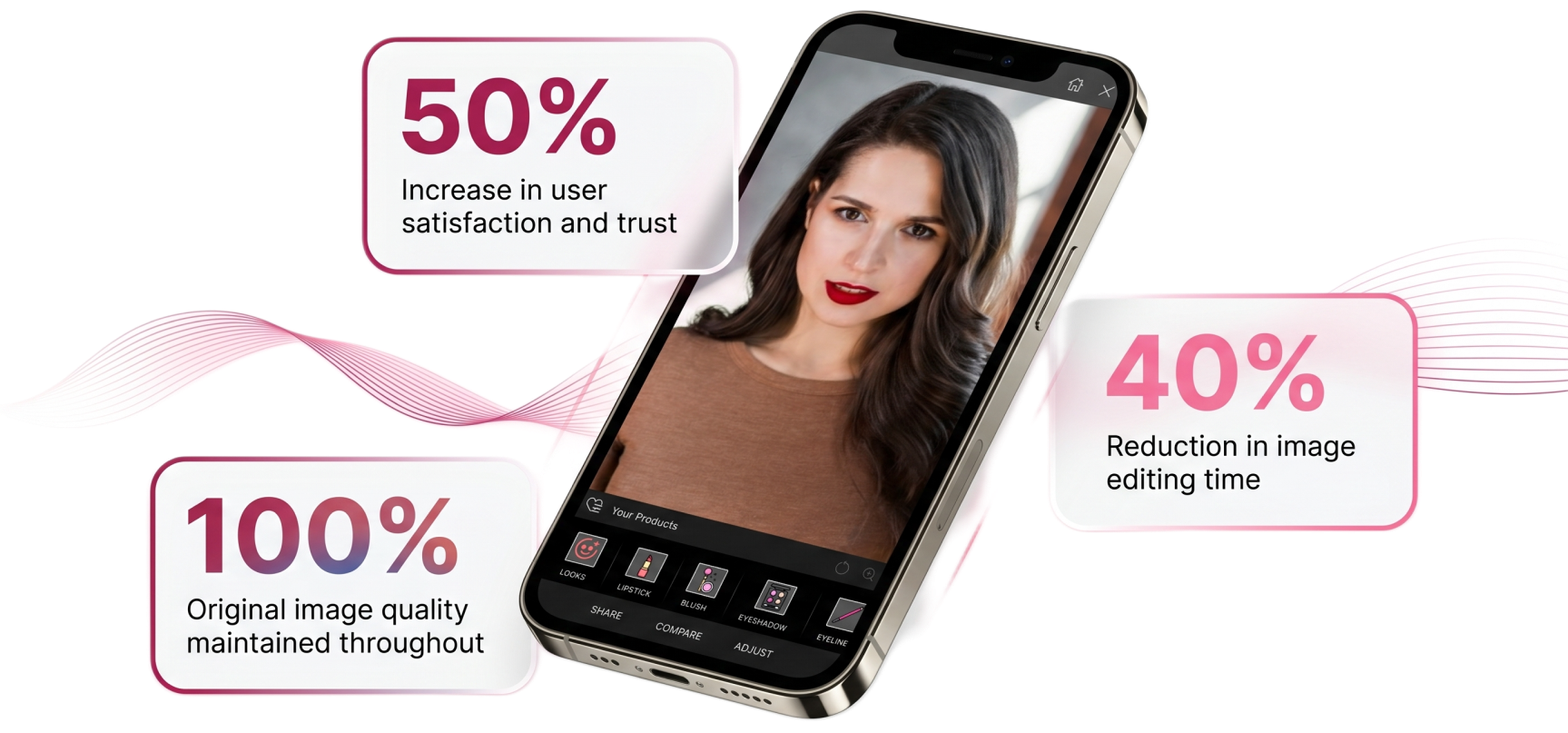
Increase in user satisfaction and trust
Reduction in image editing time
Original image quality maintained throughout
The result was a 50% jump in user satisfaction, 40% less time spent on manual editing, and 100% original image resolution preserved throughout every makeup application – the technical benchmark that separated BeautiFi from every generic filter tool Marcus had evaluated.
Marcus Nguyen, Founder and CEO of a Vietnam-based beauty technology venture, saw an opportunity in the growing demand for virtual makeup solutions. Beauty brands and influencers were struggling with existing virtual try-on tools that delivered poor shade matching and unrealistic results. Customers couldn’t trust what they saw on screen, leading to high return rates and low conversion for online cosmetics retailers.
Client Name
Marcus Nguyen
Industry
Beauty & Cosmetics
Company
Cydeva / BeautiFi
Location
Vietnam
Project Duration
2 months
Decision Maker
Founder & CEO
Pain Point
Existing virtual try-on tools produced shade mismatches that destroyed customer trust and drove up return rates for online cosmetics purchases
Tezeract had done a great job in developing AI Engine for our virtual makeup try-on app, they have the knowledge, experience, and had tried very hard and been responsible. They are experts in Gen AI.
The Challenge
01
The shade mismatch problem in virtual makeup try-on isn’t a minor UX inconvenience; it’s a commercial failure point. When a customer tries a virtual lipstick, and the color on screen looks nothing like the product in the package, the tool doesn’t just fail to help; it actively damages trust in the brand that deployed it. Customers who’ve been burned by inaccurate previews don’t come back to try again.
The technical reasons for this failure are well understood in the industry, but rarely addressed properly:
Most virtual try-on models were trained predominantly on lighter skin tones, resulting in significantly degraded shade rendering for medium and darker complexions. A foundation that looked accurate on one user looked completely wrong on another.
02
Face tracking algorithms calibrated for studio-quality images fell apart under real-world conditions: indoor fluorescent lighting, natural window light, phone cameras in dim rooms. The makeup would glitch, shift, or disappear entirely when the user moved.
03
Applying digital makeup transformations to a photo typically introduced compression artifacts and resolution loss. The result looked processed rather than natural, undermining the tool’s core promise.
04
Existing tools let users pick from a color palette, but offered no guidance on which shades would actually complement their skin tone. The selection process was guesswork, which reproduced the same uncertainty customers were trying to escape.
05
Marcus needed a solution that addressed all four failure points simultaneously, not a patch on one while ignoring the others.
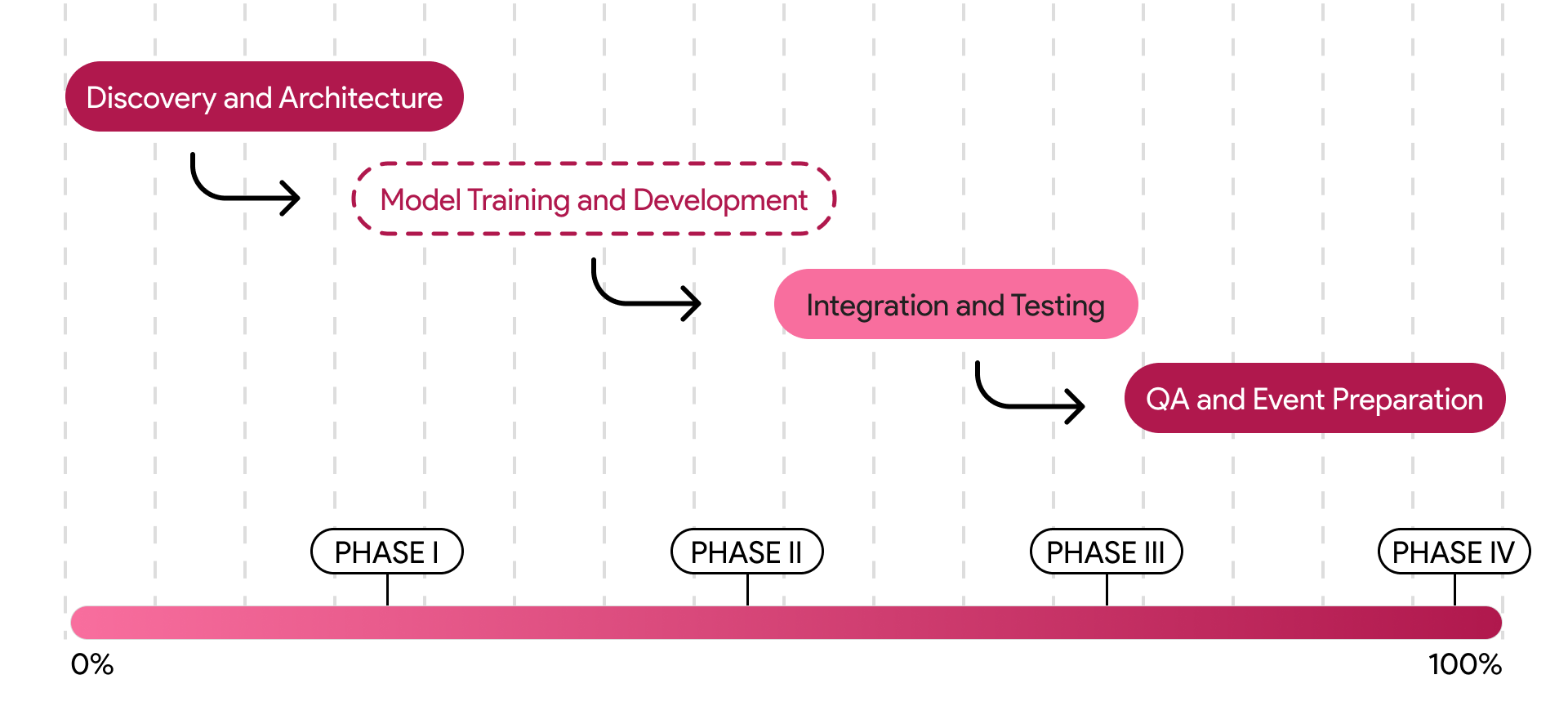
Two months from kickoff to a fashion event demo is a genuinely tight window for a GAN-based AI product. Model training, mobile development, shade matching logic, and cross-device QA all had to run in parallel rather than sequentially. There was no buffer for a failed model architecture or a late integration.
If your virtual try-on tool fails to match real product shades, users lose trust fast. BeautiFi solved this with AI-driven shade accuracy across all skin tones and lighting conditions.
Journey Overview
Marcus looked at three categories of solutions before choosing a development partner. Off-the-shelf platforms, ModiFace, Perfect Corp, could deploy quickly but offered no customization.
Freelance AI developers offered flexibility on paper, but the specific combination of GAN-based rendering experience and mobile delivery capability was rare. Most candidates had built AR filter overlays, a fundamentally different technical approach that wouldn’t solve the shade accuracy problem Marcus was trying to fix.
Tezeract’s portfolio included Photosthetic and Photoretouch, two AI-powered photo editing tools built on computer vision and neural style transfer. That track record demonstrated something specific: the ability to apply AI transformations to images while preserving quality, which was exactly the technical challenge at the center of BeautiFi.
The conversation moved quickly once Marcus saw the technical approach Tezeract proposed: GAN-based rendering rather than AR overlay, GFPGAN for quality preservation, and Vision Model for shade intelligence. The two-month timeline was tight but achievable with a focused three-person team. Marcus signed off within weeks of the first technical discussion.
The Solution
BeautiFi’s architecture was built around a single design principle: every technical decision had to serve shade accuracy and image quality, not just feature count.
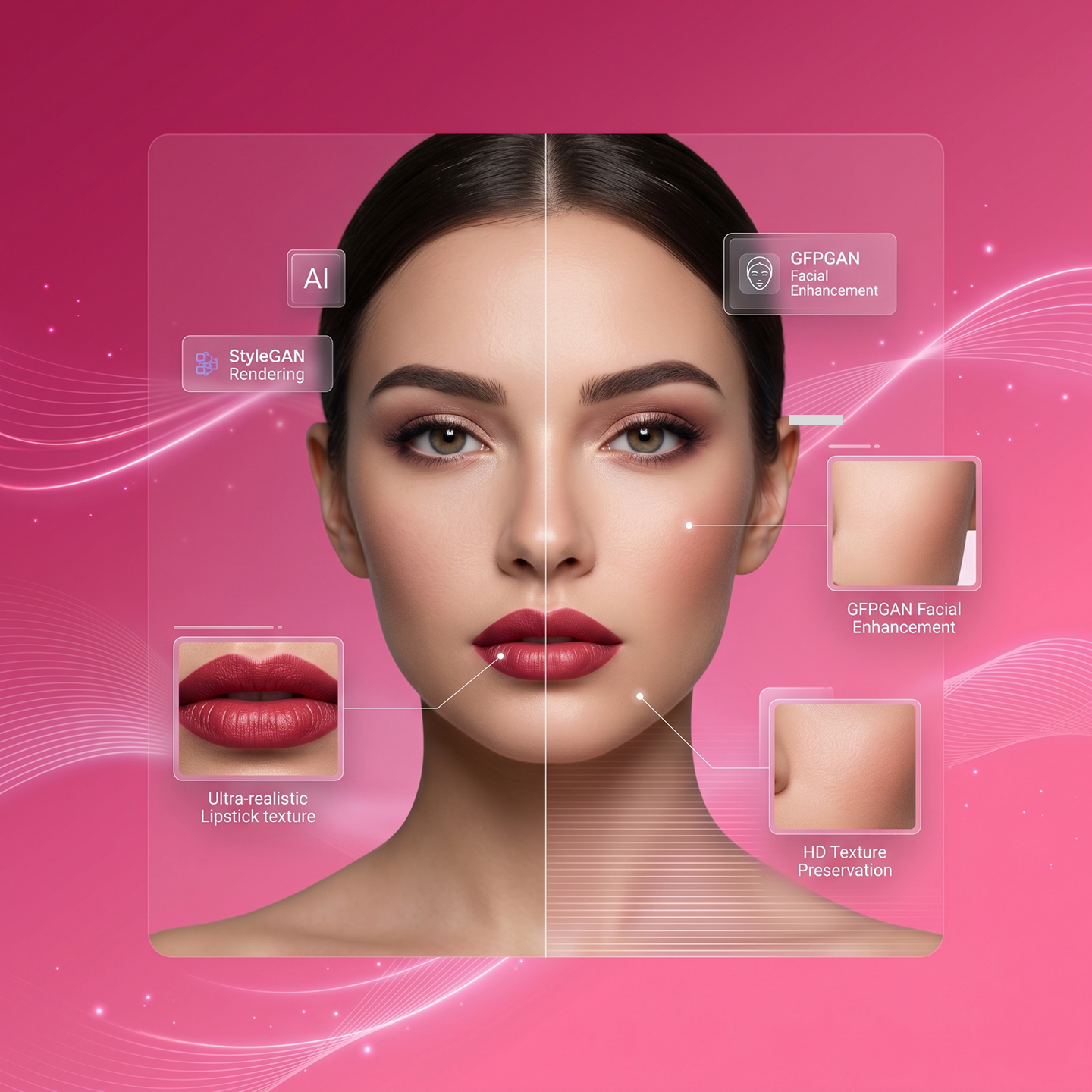
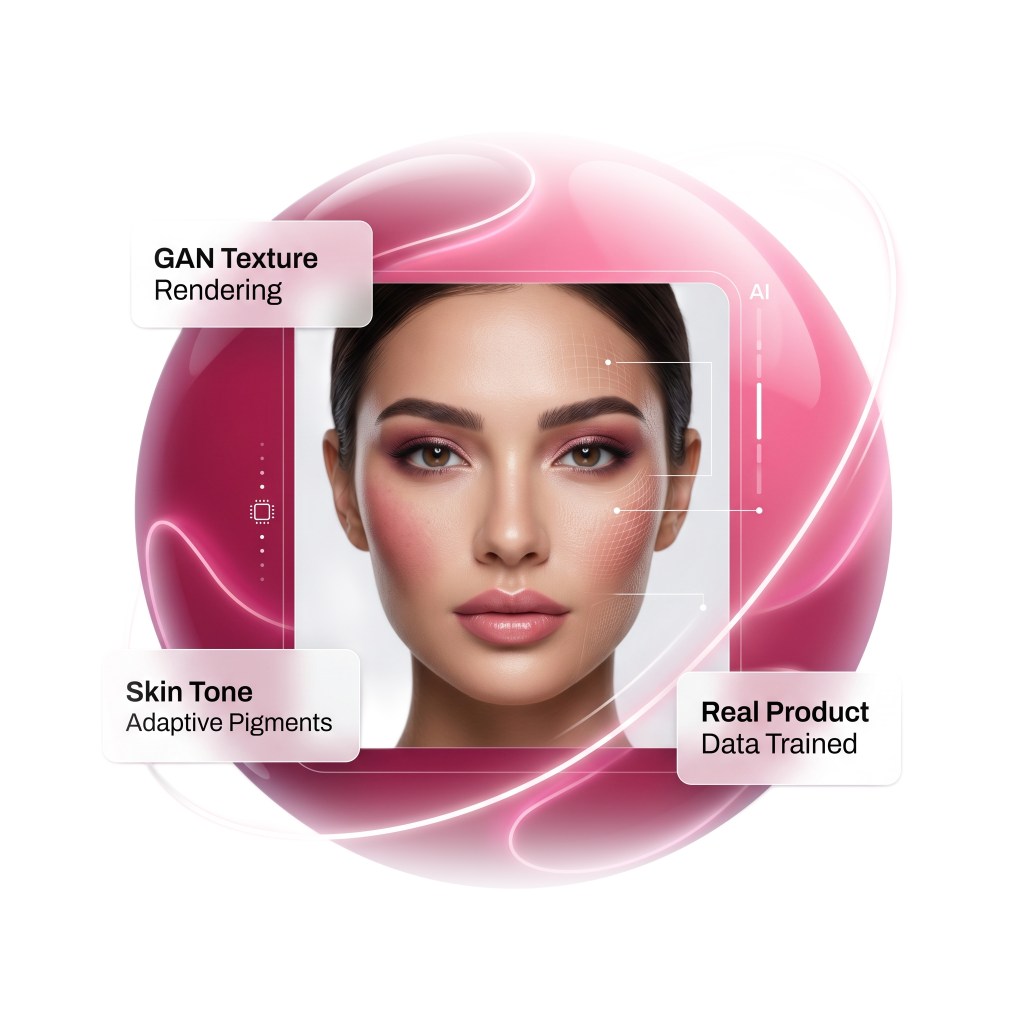
The core of BeautiFi is a generative AI rendering pipeline using StyleGAN for realistic makeup texture and pattern generation, combined with GFPGAN for facial detail preservation and image quality maintenance throughout the transformation. This combination addressed the two most common failure modes in virtual makeup tools: unrealistic rendering and quality degradation.
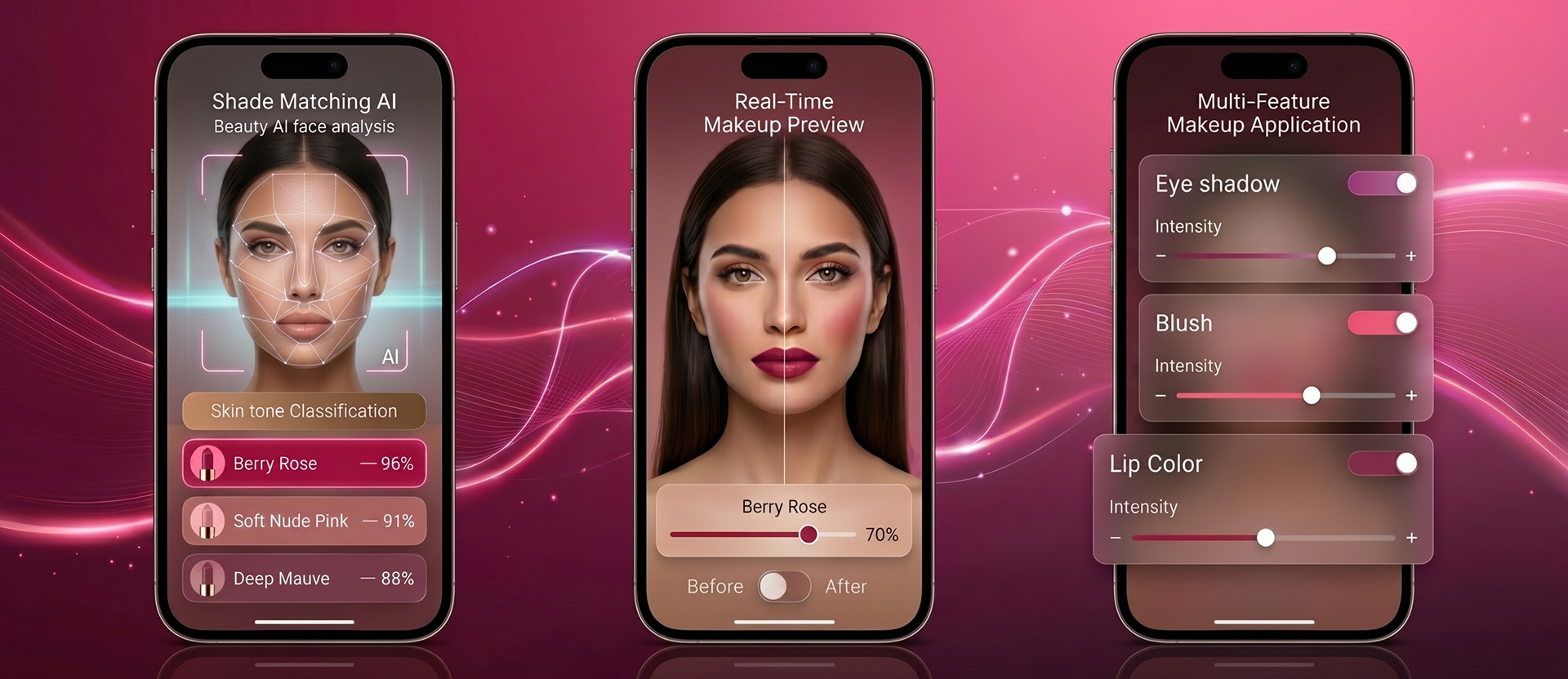
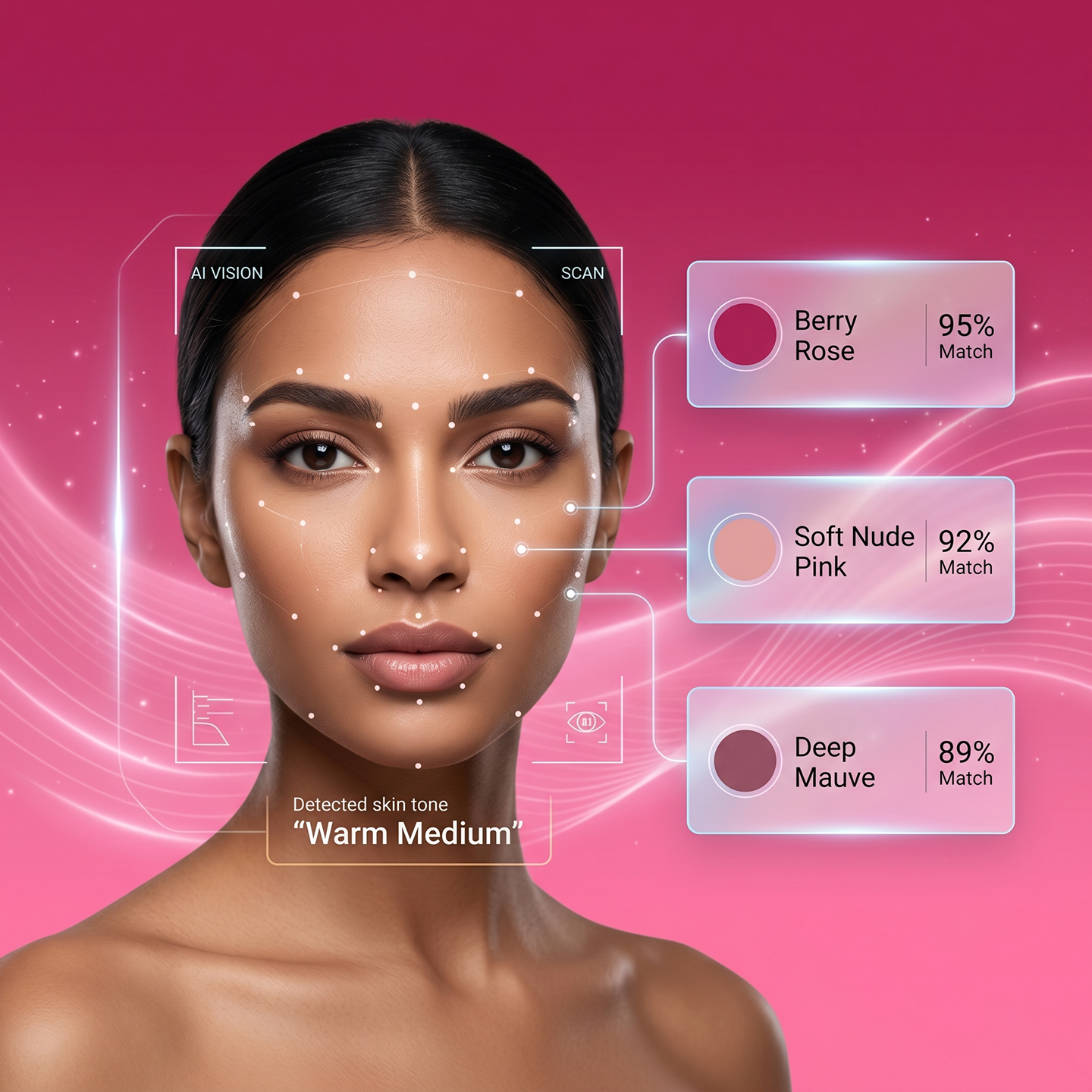
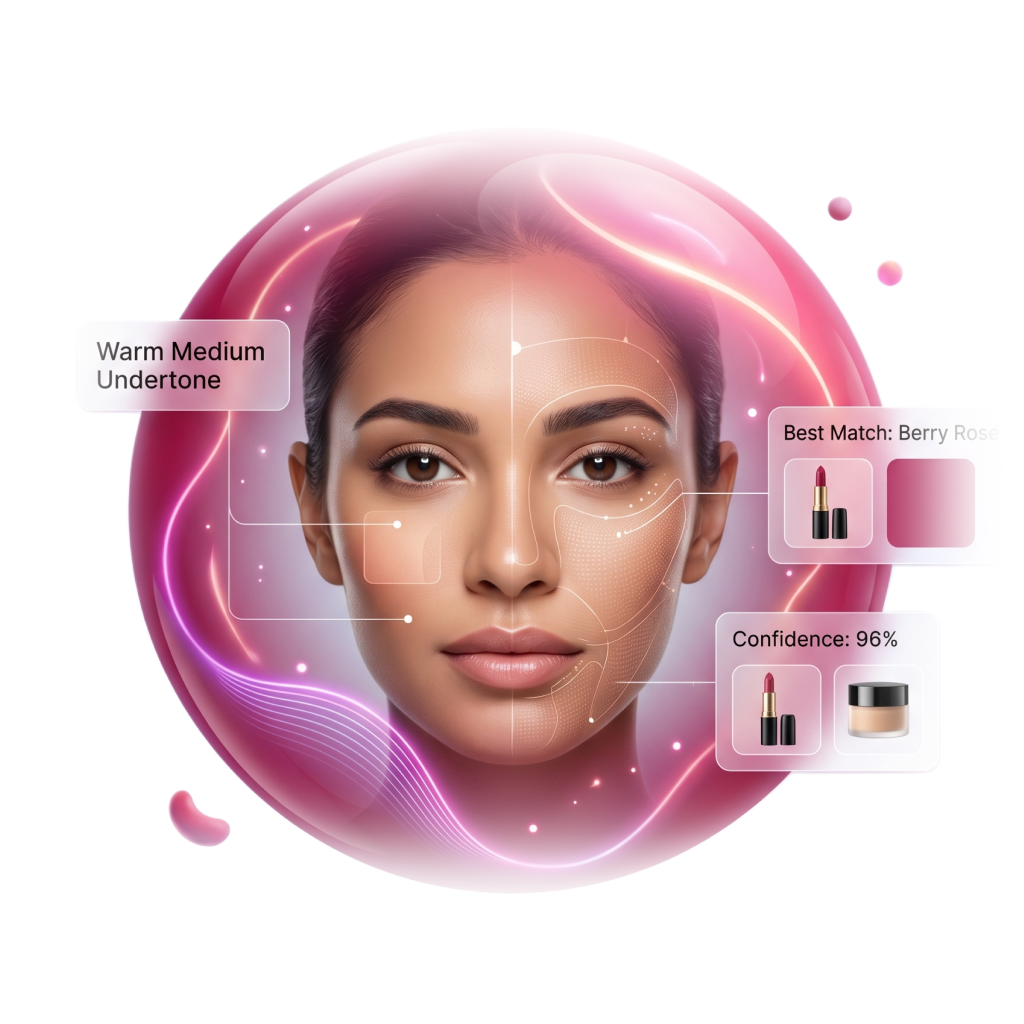
Rather than asking users to pick from a color grid and hope for the best, BeautiFi uses Vision Model to analyze skin tone from the user’s image and recommend shades that will actually complement their complexion. This AI foundation shade finder logic runs before the user selects any product.
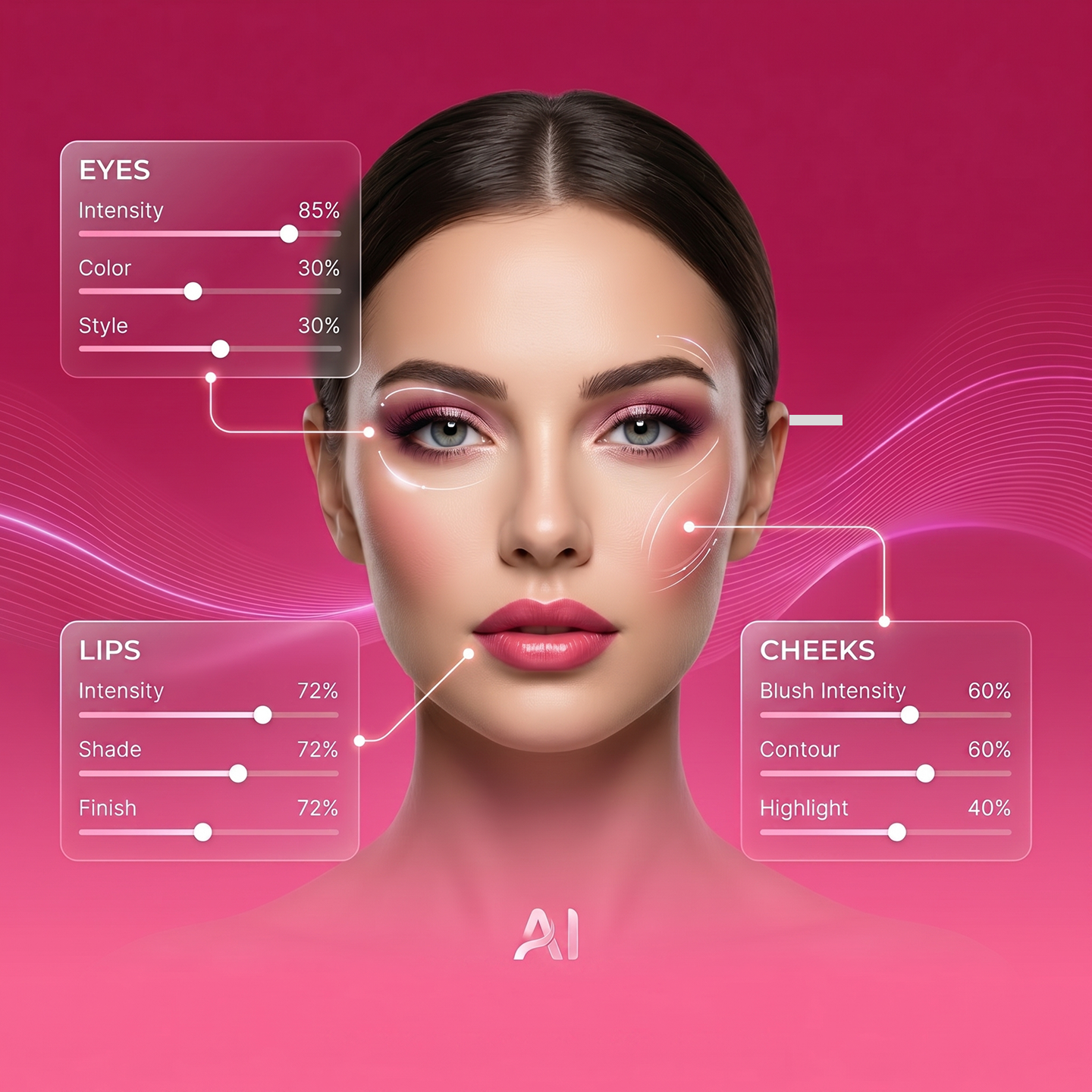
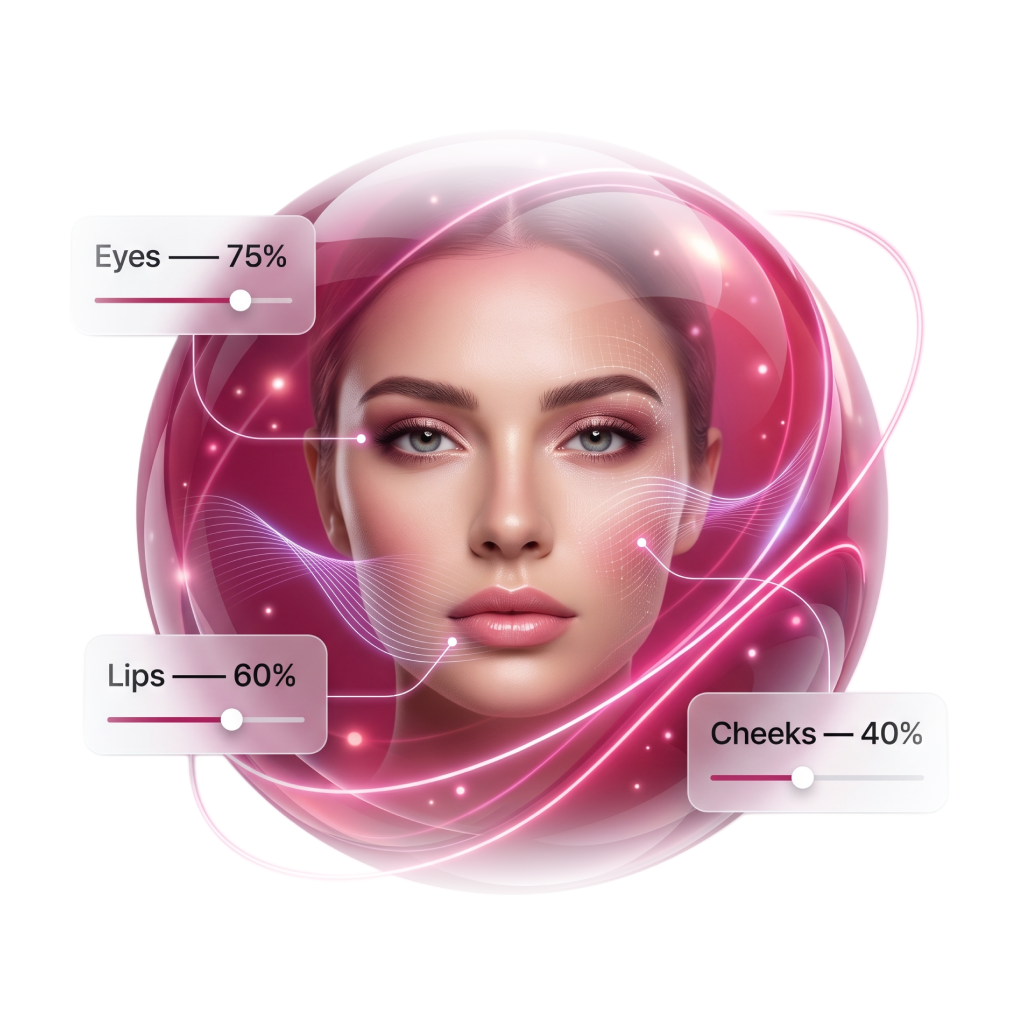
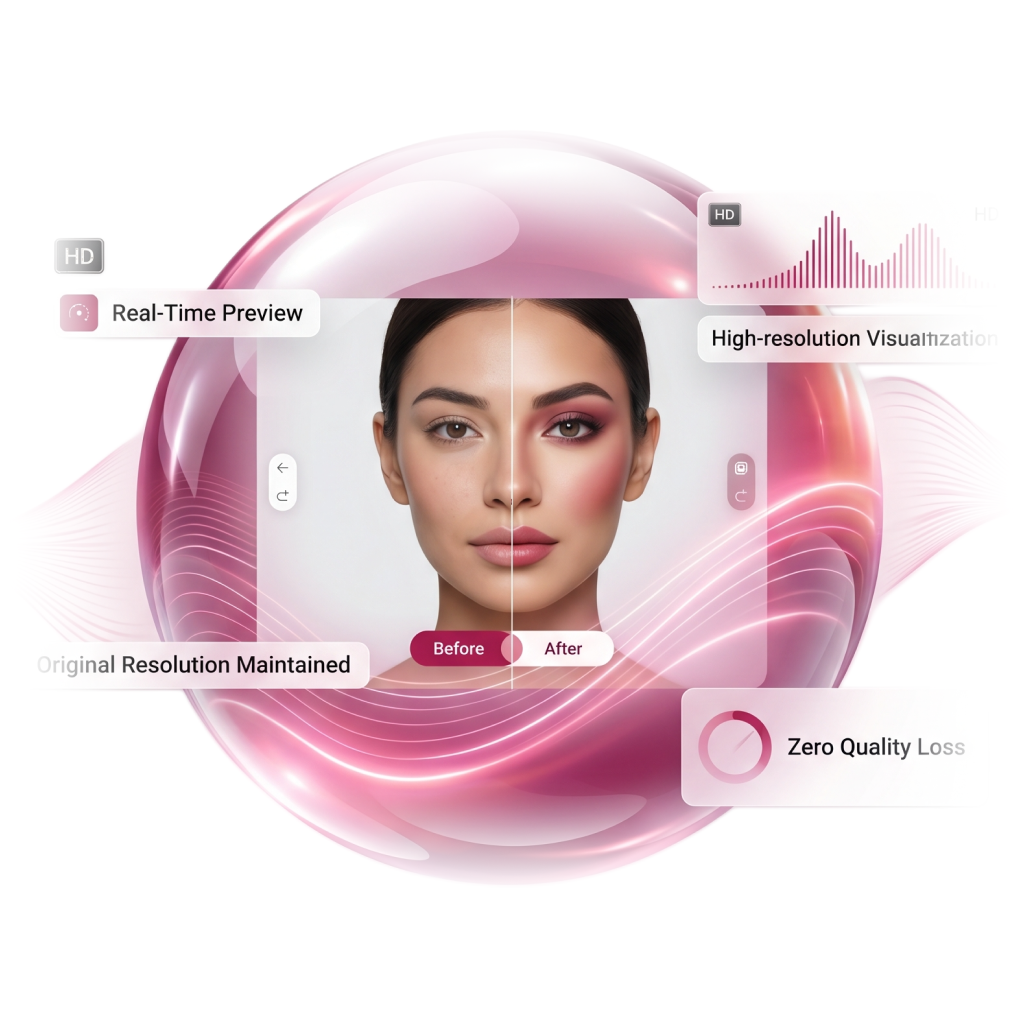
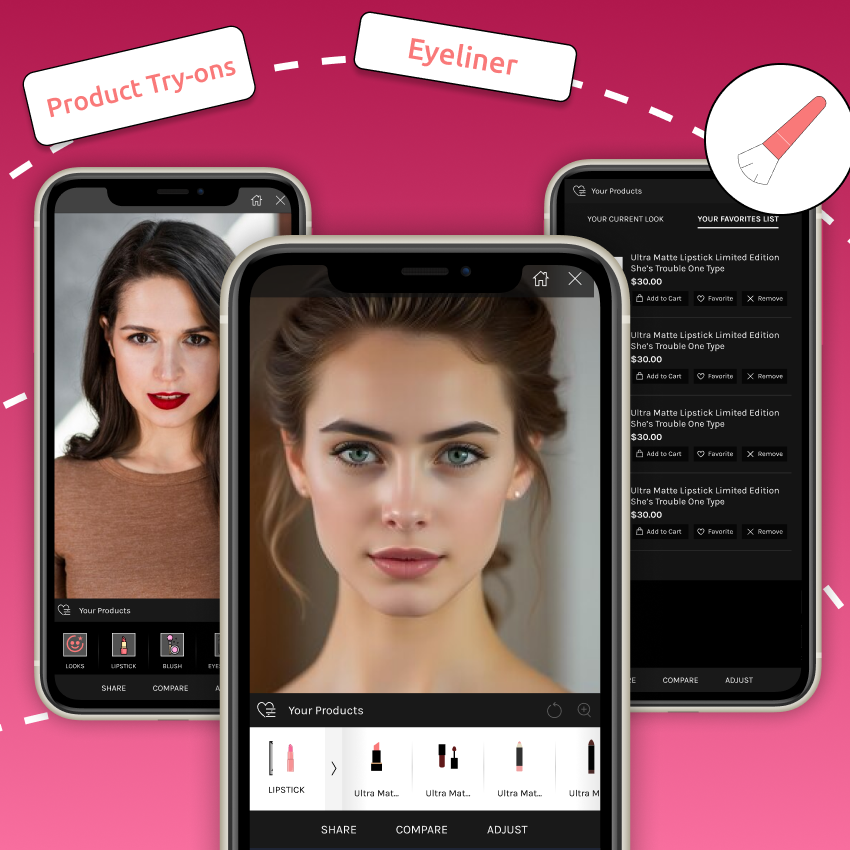
Users adjust makeup intensity independently for eyes, lips, and cheeks, so that one adjustment does not affect another facial feature. The real-time makeup preview renders changes instantly at full resolution, so the feedback loop between selection and result is immediate.
Integrate real-time previews, accurate shade recommendations, and full-resolution rendering into your existing product experience.
01
The team ran structured sessions with Marcus to define the currency pairs. In this case, the skin tone range, makeup categories, and shade accuracy benchmarks would determine whether the product was ready for the fashion event. The AI model architecture was designed before any code was written, with the GAN selection and quality-preservation approach locked in at that stage.
Key Milestone: Signed-off model architecture, training dataset scope, and shade accuracy benchmarks.
02
The first challenge surfaced during initial StyleGAN testing: the makeup rendering was realistic, but the transformation process introduced sharpness loss in the output images. The team ran multiple configuration experiments before integrating GFPGAN as a quality-preservation layer, restoring facial detail and resolution after the GAN transformation rather than attempting to prevent degradation during it.
Key Milestone: GAN pipeline producing shade-accurate, full-resolution outputs across the target skin tone range.
03
The second challenge was shade accuracy on darker complexions. Marcus tested each iteration directly, providing feedback on which results felt authentic. The Vision Model shade-matching algorithm was refined through multiple cycles, and the GAN models were retrained on expanded, diverse skin-tone data until Marcus confirmed that the results met his standard.
Key Milestone: Shade accuracy validated by Marcus across all target skin tones. Alert delivery confirmed across WhatsApp and email.
04
The SQA engineer stress-tested BeautiFi across multiple device types, camera quality levels, and lighting conditions. Marcus conducted final user acceptance testing one week before the fashion event, running the app through the same scenarios he expected beauty brand representatives and investors to try on the day.
Key Milestone: App cleared for event launch. All features perform at target accuracy across tested devices and lighting conditions.
StyleGAN transformations introducing sharpness loss and resolution degradation in output images
Shade color drift on medium and darker skin tones in early model versions
Inconsistent rendering performance across devices with varying camera quality
Two-month timeline requiring model training and mobile development to run in parallel
Face tracking instability under varied real-world lighting conditions
Integrated GFPGAN as a post-transformation quality restoration layer, preserving facial detail and full resolution after the GAN rendering rather than attempting to prevent degradation during it
Expanded training dataset with diverse skin tone representation; refined Vision Model shade matching algorithm through iterative testing with Marcus’s direct feedback until results were validated across the full complexion range
Built device-adaptive preprocessing in the OpenCV pipeline; QA stress-tested across multiple device types and camera specifications to confirm consistent output quality regardless of hardware
Structured the three-person team with clear parallel workstreams, AI engineer on model pipeline, project manager on mobile integration coordination
Variable lighting inside buses caused inconsistent recognition accuracy during early morning Incorporated lighting detection into the preprocessing pipeline; trained models on real-world image datasets, improving stability across indoor, outdoor, and low-light scenariosroutes
Increase in user satisfaction and trust
Reduction in image editing time
Original image quality maintained throughout
BeautiFi launched at the fashion event and held up under exactly the conditions Marcus had prepared for, beauty brand representatives and investors trying the app on their own faces, in real lighting, with real expectations.
The 40% reduction in editing time reflected a secondary benefit that emerged from the real-time preview and intensity control features. Professional makeup artists and influencers who tested BeautiFi at the event had been using traditional photo editing software to mock up looks for clients.
100% image-quality preservation was the technical achievement that set BeautiFi apart from every competing tool in the room. Attendees who tried other virtual try-on apps and then tried BeautiFi noticed the difference immediately. The result looked like a real photo rather than a processed image.
Before BeautiFi, virtual makeup tools were failing the people who needed them most. Colors looked nothing like the real product. Shade matching was unreliable across different skin tones. Users tried the tool once, didn’t trust the result, and went back to buying in-store or returning products after the fact.
Marcus Nguyen needed something that actually worked.
1
2
3
4
1
Reduce return rates caused by shade mismatch without changing the product line
2
Give customers a try-before-you-buy experience that works across diverse skin tones
3
Integrate the virtual try-on directly into the existing e-commerce platform via API
4
Use conversion and return rate data post-launch to prove the ROI of the AI investment
Build beyond filters. Deliver a system that guides users, matches shades correctly, and keeps image quality intact.
01
BeautiFi’s rendering engine doesn’t apply a color overlay, it generates makeup textures using GAN models trained on real product data and diverse skin tone samples. The result is a simulation that accounts for how pigment interacts with different complexions. This is the technical foundation that makes the virtual makeup app trustworthy rather than decorative.
02
Before a user selects any product, BeautiFi analyzes their skin tone and undertone and surfaces the shades most likely to complement their complexion. The AI makeup shade-matching logic shifts the selection process from guesswork to guided decision-making, driving purchase confidence and reducing returns.
03
Eyes, lips, and cheeks each have their own intensity slider. Adjusting blush intensity doesn’t affect lip color; changing eye shadow depth doesn’t alter foundation coverage. This granular control lets users build and compare looks with precision.
04
AI virtual makeup technology solves critical problems for beauty brands, e-commerce platforms, and content creators. From reducing return rates to building customer trust, custom AI solutions deliver measurable business impact.
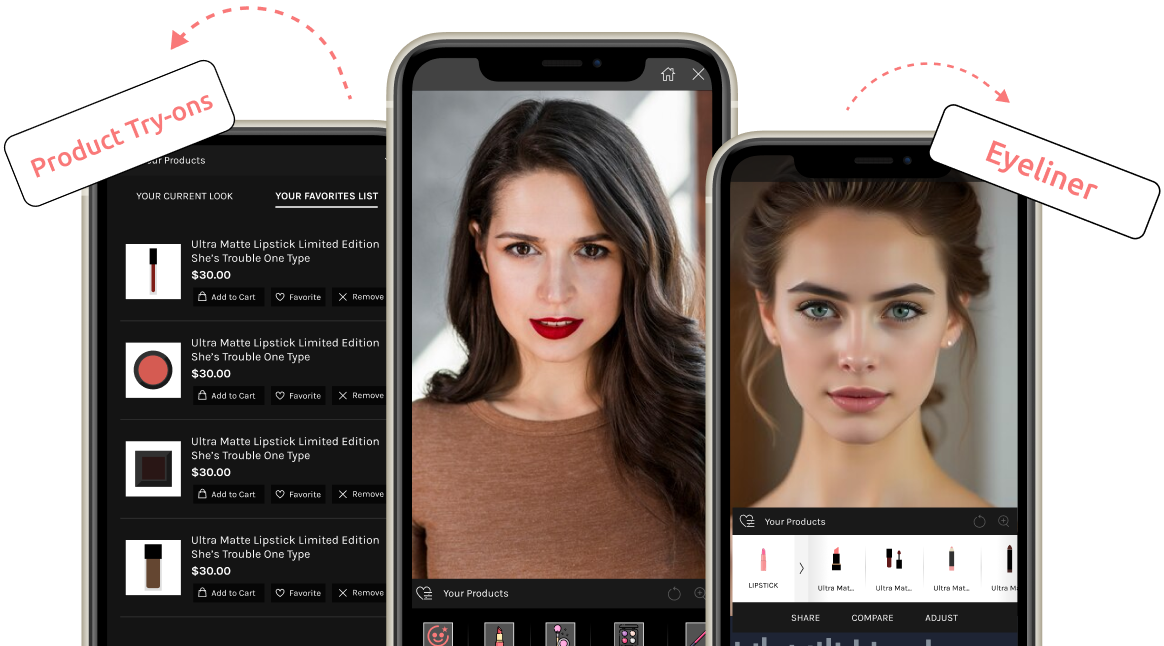
Online cosmetics retailers embed virtual try-on directly into product pages, letting customers preview foundation shades, lipstick colors, and eye shadow combinations on their own faces before adding to their cart.
01
Cosmetics brands use virtual makeup for beauty brands as a standalone app or web tool, giving customers a branded try-on experience that keeps them engaged with the product catalog longer and creates a natural path from experimentation to purchase.
02
03
Early-stage beauty technology companies use the AI beauty app’s e-commerce infrastructure as a foundation for their own products, building on a validated GAN rendering pipeline rather than starting model development from scratch.
04
Physical retail locations deploy BeautiFi on in-store tablets or kiosks, letting customers try shades digitally before testing on their skin, reducing the need for product testers and improving the hygiene and speed of the in-store try-on experience.
05
The gap between a virtual try-on tool that looks impressive in a demo and one that holds up when a real customer tries it on their own face is almost entirely a shade-accuracy and image-quality problem. Solving it requires a GAN-based renderer trained on diverse skin-tone data.
Building a virtual try-on for beauty brand experience, adding makeup try-on to an existing e-commerce platform, or starting a beauty tech product from scratch? Tezeract has the generative AI and computer vision depth to build it properly. Talk to our team and let’s scope your build.
An AI virtual makeup app uses artificial intelligence and computer vision to apply digital makeup to user photos or live video in real time. The technology identifies facial features like eyes, lips, and cheeks, then renders makeup products with realistic colors, textures, and shading. Advanced apps use GAN-based models to ensure the makeup looks natural across different skin tones and lighting conditions. Users can adjust intensity, try multiple shades, and see results instantly without physically applying products. This technology helps beauty brands reduce return rates and increase customer confidence in online purchases.
Development costs for a custom AI makeup app typically range from $50,000 to $200,000, depending on features, complexity, and timeline. A basic MVP with core virtual try-on functionality can be built in 2-3 months for the lower end of this range. Costs include AI model training, mobile app development for iOS and Android, backend infrastructure, and quality assurance testing. Custom solutions offer better shade accuracy and brand control compared to off-the-shelf platforms that charge monthly licensing fees. The ROI often justifies the investment through reduced return rates and higher conversion rates for beauty e-commerce businesses.
GAN-based makeup apps use Generative Adversarial Networks to create photorealistic makeup rendering that adapts to individual facial features and skin tones. Traditional AR filters apply generic overlays that often look artificial and fail to match real product colors. GANs learn from thousands of real makeup applications to simulate texture, blending, and pigmentation accurately. This results in 40-50% higher user trust compared to basic filters. For beauty brands, GAN technology solves the shade mismatch problem that causes high return rates. The technology maintains image quality while delivering results that closely match actual product application.
AI makeup shade matching analyzes skin tone, undertone, and lighting conditions using computer vision algorithms. The system identifies whether skin is cool, warm, or neutral-toned, then recommends makeup shades that complement those characteristics. Advanced models are trained on diverse datasets representing all skin tones to avoid bias toward lighter complexions. The AI considers factors like natural lighting versus indoor lighting and adjusts color rendering accordingly. This technology reduces the shade mismatch problem that affects 60-70% of online cosmetics purchases. For brands, accurate shade matching means fewer returns, higher customer satisfaction, and increased trust in virtual try-on results.
Yes, virtual makeup try-on technology can reduce return rates by 25-40% for beauty e-commerce businesses. When customers see accurate representations of how products look on their specific skin tone before purchase, they make better buying decisions. The key is realistic rendering that matches actual product colors and finishes. Generic virtual try-on tools with poor shade accuracy can actually increase returns by setting wrong expectations. Custom AI solutions trained on real product data deliver the accuracy needed to build customer confidence. Brands also see 30-50% higher conversion rates when virtual try-on is integrated into the shopping experience with proper shade matching capabilities.
Virtual lipstick try-on faces several technical challenges: accurate lip detection across different face angles, realistic color rendering that matches product pigmentation, handling motion and facial expressions without glitching, and maintaining texture details like matte versus glossy finishes. Lighting conditions significantly affect how lipstick colors appear on screen versus real life. AI models must be trained to compensate for device camera quality variations and preserve image resolution during makeup application. The biggest challenge is achieving true-to-product color fidelity so customers trust what they see. Solutions require GAN-based technology, extensive training datasets, and continuous testing across diverse skin tones and lighting scenarios.
A custom AI makeup app typically takes 2-4 months from concept to MVP launch, depending on feature complexity and team expertise. The timeline includes discovery and requirements gathering (1-2 weeks), AI model architecture design and training (4-6 weeks), mobile app development for iOS and Android (4-6 weeks), integration and testing (2-3 weeks), and final quality assurance (1-2 weeks). Teams with prior experience in AI beauty technology can move faster. Off-the-shelf solutions deploy quicker but lack customization for brand-specific needs. For businesses with tight deadlines like product launches or events, experienced AI development partners can compress timelines while maintaining quality through focused project management.
Beauty brands typically see 3-5x ROI within 12-18 months of implementing AI virtual makeup technology. Key returns include 25-40% reduction in product returns, 30-50% increase in online conversion rates, 40-60% higher customer engagement time, and 20-30% boost in average order value. The technology also reduces customer service costs related to shade selection questions. Initial investment ranges from $50,000-$200,000 for custom development, with ongoing maintenance costs of 15-20% annually. Brands with high return rates see faster ROI as the technology directly addresses the shade mismatch problem. E-commerce platforms benefit most, though in-store kiosks using virtual try-on also drive sales.
The decision depends on your business needs and budget. Existing platforms like ModiFace or Perfect Corp offer quick deployment (weeks) with monthly licensing fees ($500-$5,000+), but provide limited customization and generic shade matching. Custom development costs more upfront ($50,000-$200,000) but delivers brand-specific features, better shade accuracy, and full control over user experience. Choose custom if you need unique features, have specific shade matching requirements, want to own the technology, or face high return rates that justify the investment. Choose existing platforms for quick testing or if budget is limited. Many brands start with platforms, then build custom solutions once they validate demand.
Modern GAN-based AI makeup apps achieve 85-95% accuracy in color matching and texture rendering when properly trained on real product data. Accuracy depends on training dataset quality, lighting condition handling, and skin tone diversity in the model. Basic AR filters achieve only 60-70% accuracy, which explains low user trust. The remaining 5-15% gap comes from variables like device screen calibration, camera quality, and individual skin characteristics that affect how makeup appears in person. For business purposes, 85%+ accuracy is sufficient to reduce return rates and increase customer confidence. Continuous model improvement through user feedback and expanded training data pushes accuracy higher over time.
Advanced AI makeup apps can adapt to different lighting conditions, though this remains a technical challenge. The AI must recognize whether the user is in natural daylight, indoor lighting, or low light, then adjust color rendering accordingly. Models trained on diverse lighting scenarios perform better than those trained only on studio-quality images. Poor lighting causes face tracking instability and inaccurate shade matching in basic systems. Custom solutions address this by incorporating lighting detection algorithms and training on real-world image datasets. For businesses, lighting adaptability is important because customers use apps in various environments. Testing across lighting conditions during development ensures consistent performance and maintains user trust in the results.
A business-focused AI makeup app should include precision intensity control for each makeup element, selective application of individual features (eyes, lips, cheeks), real-time preview with maintained image quality, accurate shade matching across diverse skin tones, product catalog integration for direct purchase, social sharing capabilities, before/after comparison views, and analytics tracking for user behavior. For e-commerce integration, include shopping cart connectivity and personalized product recommendations. B2B features might include white-label customization, API access for platform integration, and admin dashboards for product management. The app must work reliably across iOS and Android devices with varying camera quality. Performance optimization ensures quick loading and smooth rendering to prevent user drop-off.
Ensuring AI makeup apps work across diverse skin tones requires intentional training data collection and testing. Development teams must train models on datasets representing all skin tones from very light to very dark, including various undertones. Testing should involve real users across the full spectrum, not just a narrow range. The AI must handle different facial features, skin textures, and lighting conditions that affect how makeup appears on different complexions. Bias in training data leads to poor performance on darker skin tones, a common problem in generic platforms. Custom development allows brands to prioritize inclusive performance. Regular updates based on user feedback from diverse demographics improve accuracy over time.
Implementation starts with discovery to understand your product catalog, customer demographics, and technical infrastructure. The development team designs the AI architecture and trains models on your specific product shades and finishes. Mobile app or web integration is built using APIs that connect to your e-commerce platform. Testing phases include accuracy validation across skin tones, device compatibility checks, and user acceptance testing. Deployment involves app store submission for mobile or web hosting for browser-based solutions. Post-launch monitoring tracks performance metrics like conversion rates and return rates. The typical timeline is 2-4 months for custom solutions. Ongoing maintenance includes model updates, new product additions, and feature enhancements based on user feedback.
We help businesses by automating their processes and developing customized end-to-end AI solutions that deliver proven ROI.