FrontOffice: The AI-Powered Forex Trading App That Turned Market Noise Into Actionable Signals

Impact

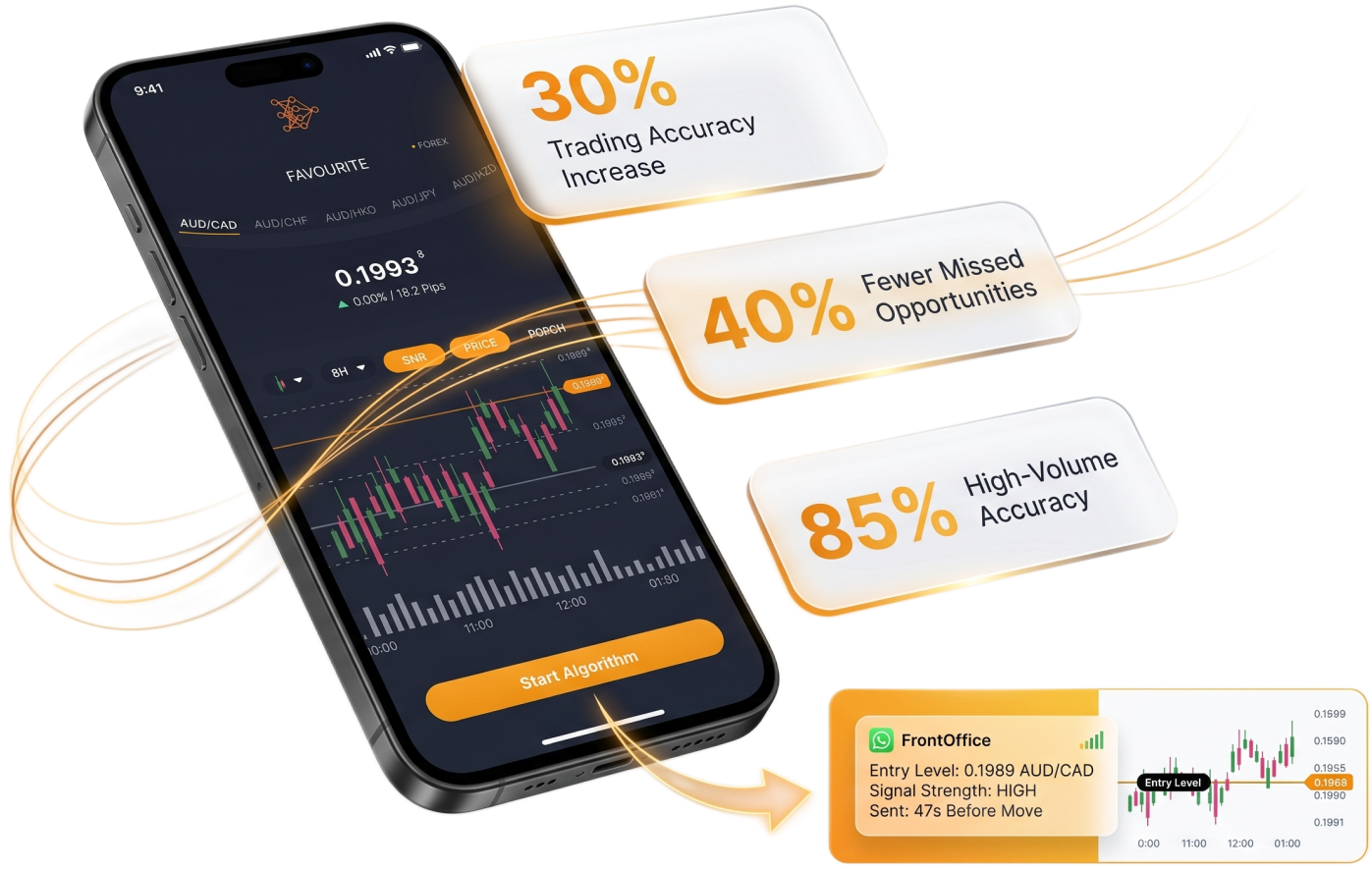
30%

Increase in trading accuracy

40%

Fewer missed opportunities

85%

High-volume market accuracy maintained

Project Overview

Forex markets don’t wait. A signal that arrives thirty seconds late is functionally the same as no signal at all. For traders, this timing problem compounds with another one: the sheer volume of data across currency pairs makes it impossible to monitor everything manually without either missing moves or burning out trying not to.

Charles Glay, Chairman and CEO of FrontOffice, had watched this dynamic play out across the trading community for years. His product vision was specific: not another generic screener or indicator overlay, but a purpose-built AI-powered forex trading app that could ingest live and historical market data, generate forecasts using machine learning, and push alerts directly to traders via WhatsApp or email, before the opportunity closed, not after.

Tezeract built FrontOffice over eight months. The outcome was a 30% improvement in trading accuracy, 40% fewer missed opportunities, and 85% accuracy maintained even during high-volume market conditions, the exact scenario where most automated tools fall apart.

Frontoffice Tezeract

“Abdul Hannan and its team at Tezeract have been a trusted development partner for several months with its fully developed team and focus on AI they helped us move forward and achieve our goal.”

Charles Glay, Chairman & CEO

FrontOffice, AI Forex Trading App(via Clutch)

Frontoffice Tezeract

Customer Profile

FrontOffice is a FinTech investing company in the United States. The team set out to build an AI-powered forex trading app for traders who face Forex trading challenges every day, like sudden moves, too much data to review, and signals that arrive too late to act on.

Client Name

Charles Glay

Industry

FinTech, Investing

Project Duration

8 months

Location

United States

Core Problem

Traders missing entries and exits due to delayed signals, data overload across currency pairs, and no reliable AI forecasting layer

Decision Maker

Chairman & CEO

Company Stage

FrontOffice

sub heading component

The Challenge

The Gap Between Data and Decision

Frontoffice Tezeract

01

Primary Problem

Forex trading generates more data per second than any individual trader can meaningfully process. The information exists, but the infrastructure to turn it into a timely, actionable signal for a specific trader’s strategy largely doesn’t, at least not in a form that retail traders and small teams can access without building it themselves.

FrontOffice’s early product had the right intent but the wrong execution. Alerts were rule-based and static. They fired on fixed thresholds rather than learned patterns, which meant they were either too noisy (triggering on every minor move) or too slow (missing the setup entirely because the threshold was calibrated for average conditions, not the specific volatility profile of a given pair on a given day). Users were getting alerts, but not the right ones, and not at the right time.

Secondary Challenges

No predictive layer

The existing system described what had already happened in the market; it had no mechanism for surfacing what was likely to happen next based on historical pattern recognition.

02

No per-pair intelligence

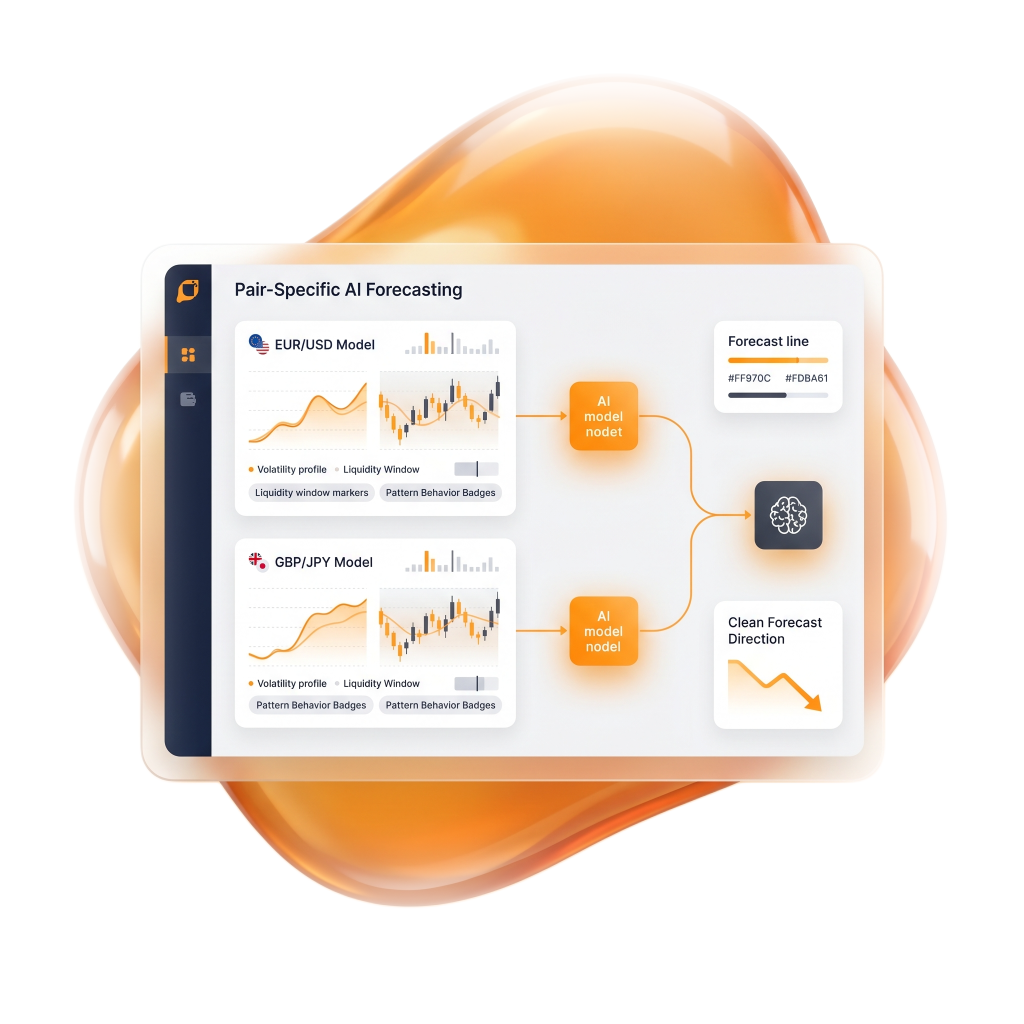
Currency pairs have distinct volatility profiles, liquidity windows, and behavioral patterns; treating EUR/USD and GBP/JPY identically in a signal model produces unreliable outputs for both

03

No configurable alert logic

Traders operate on different timeframes and styles; a scalper and a swing trader need fundamentally different trigger conditions, and the platform offered neither the flexibility nor the personalization to serve both

04

No community layer

Trading decisions don’t happen in isolation; traders compare reads, share observations, and pressure-test their analysis against others; the platform had no mechanism for this

05

No backtesting validation

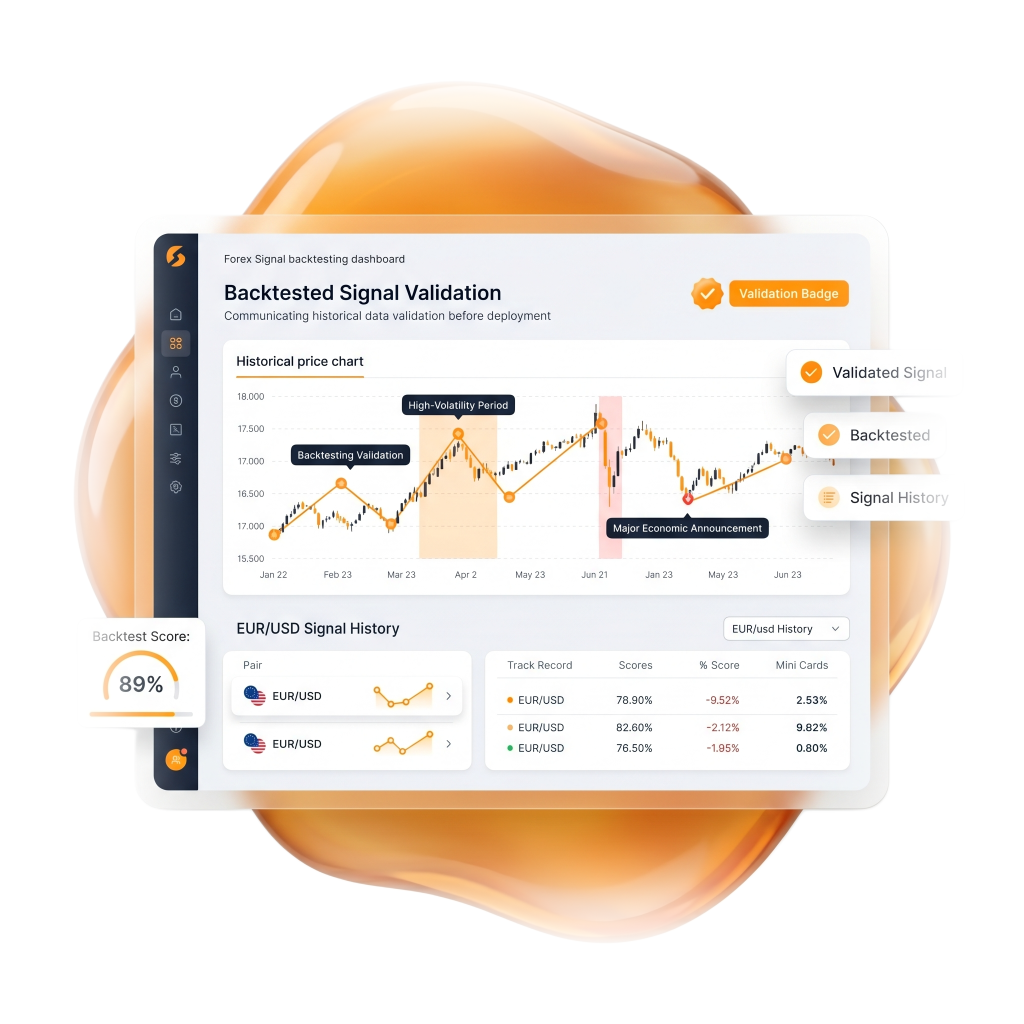
Signals were deployed without historical validation against different market regimes, which meant there was no way to know whether the model’s behavior during a volatility spike was reliable or coincidental

05

Why This Mattered Commercially

FrontOffice’s value proposition to traders was accuracy and timing. Every missed signal or false positive was a direct hit to that proposition, and in a market where traders have dozens of alternatives, trust erodes fast. Charles needed a rebuild that addressed the forecasting gap at the model level, not just the alert delivery layer.

Turn Market Data Into Clear Decisions

Traders don’t need more charts. They need the right signals at the right time. We help you build systems that cut through the noise and highlight real opportunities.

Frontoffice Tezeract
sub heading

Journey Overview

Why Tezeract

The search wasn’t for a team that could build a mobile app with some charts in it. Charles needed a partner with genuine machine learning depth, specifically, experience training predictive models on financial time-series data, handling the data quality issues that live market feeds introduce, and building alert infrastructure that could deliver signals with low enough latency to be useful. 

He evaluated candidates, filtered for teams with demonstrable experience in ML and fintech, and conducted technical conversations before any commercial discussion.

Tezeract’s proposal stood out for two reasons. 

  • It addressed the forecasting problem at the right level, not a pre-built indicator overlay, but a custom ML pipeline trained on FrontOffice’s specific currency pairs with backtesting validation built into the delivery plan. 
  • The team structure covered the full stack: ML engineers, data engineers, backend and mobile developers, and a QA engineer, meaning Charles wouldn’t have to manage handoffs between separate specialist teams throughout an eight-month build.

The Deciding Factor

“Abdul Hannan and his team at Tezeract have been a trusted development partner for several months. With their fully developed team and focus on AI, they helped us move forward and achieve our goal.”
Charles Glay, Chairman & CEO, FrontOffice

sub heading component

The Solution

What Tezeract Built

Frontoffice Tezeract

FrontOffice was built around three interconnected systems:

  • Machine learning forecasting engine
  • Real-time alert pipeline
  • Community layer 


Each is designed to address a distinct failure mode in the original product.

Frontoffice Tezeract

Machine Learning Forecasting Engine

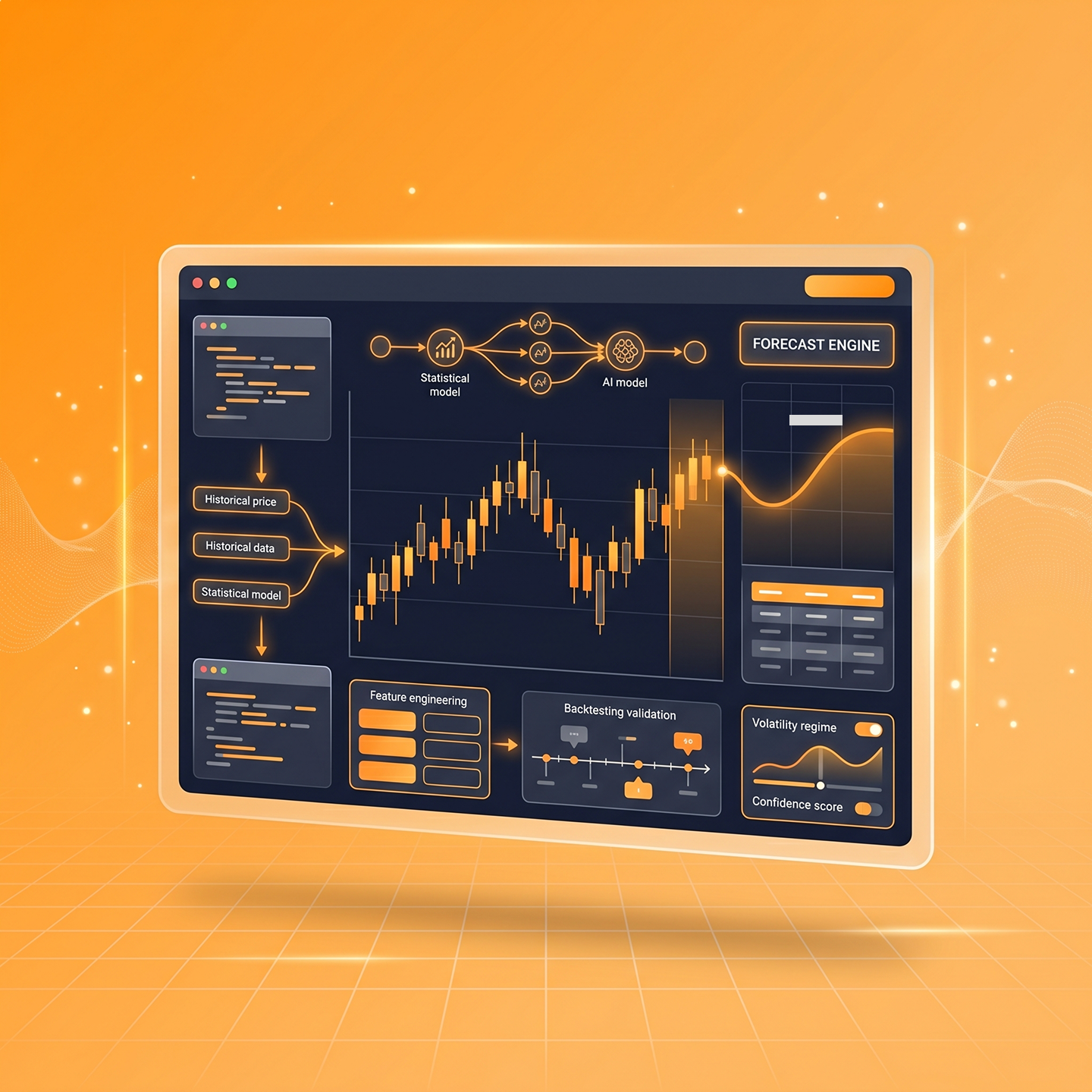
The AI forex prediction models were trained on current and historical OHLC price data using Python, with NumPy, Pandas, and SciPy handling data cleaning, feature engineering, and statistical analysis at scale. Backtrader validated model behavior across different historical market regimes before any signal was deployed to users, ensuring the forecasting logic held up under the volatility conditions it would actually encounter in production.

Frontoffice Tezeract

Real-Time Alert Pipeline

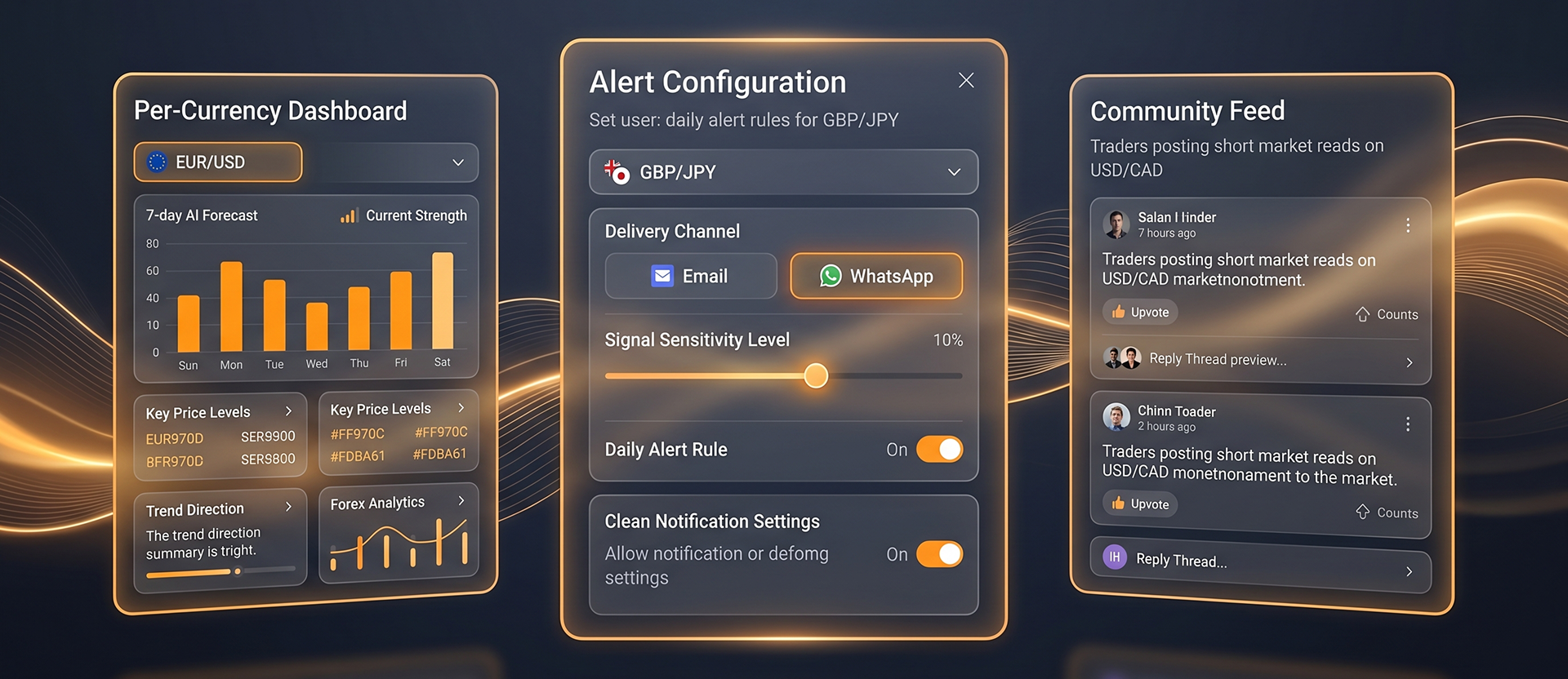
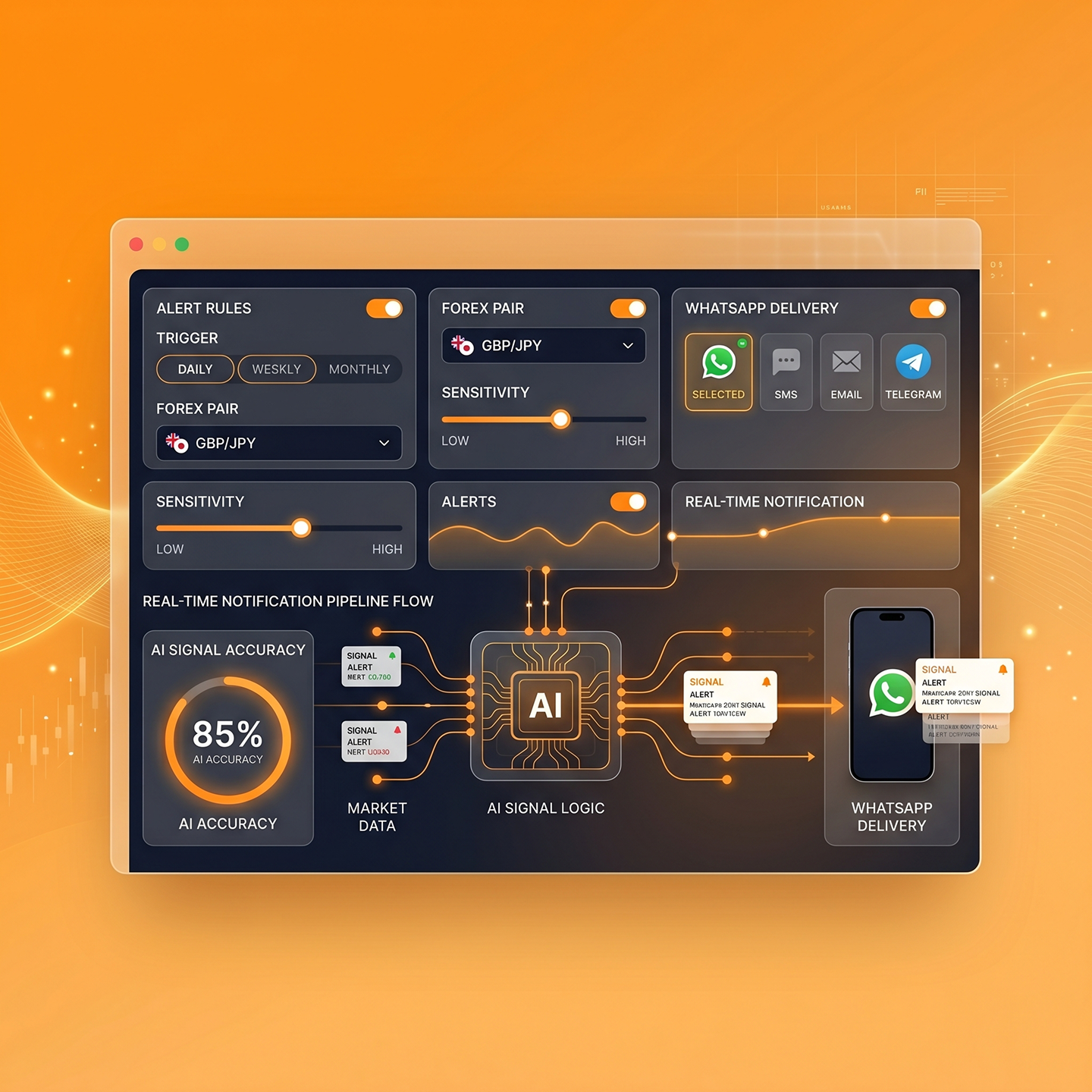
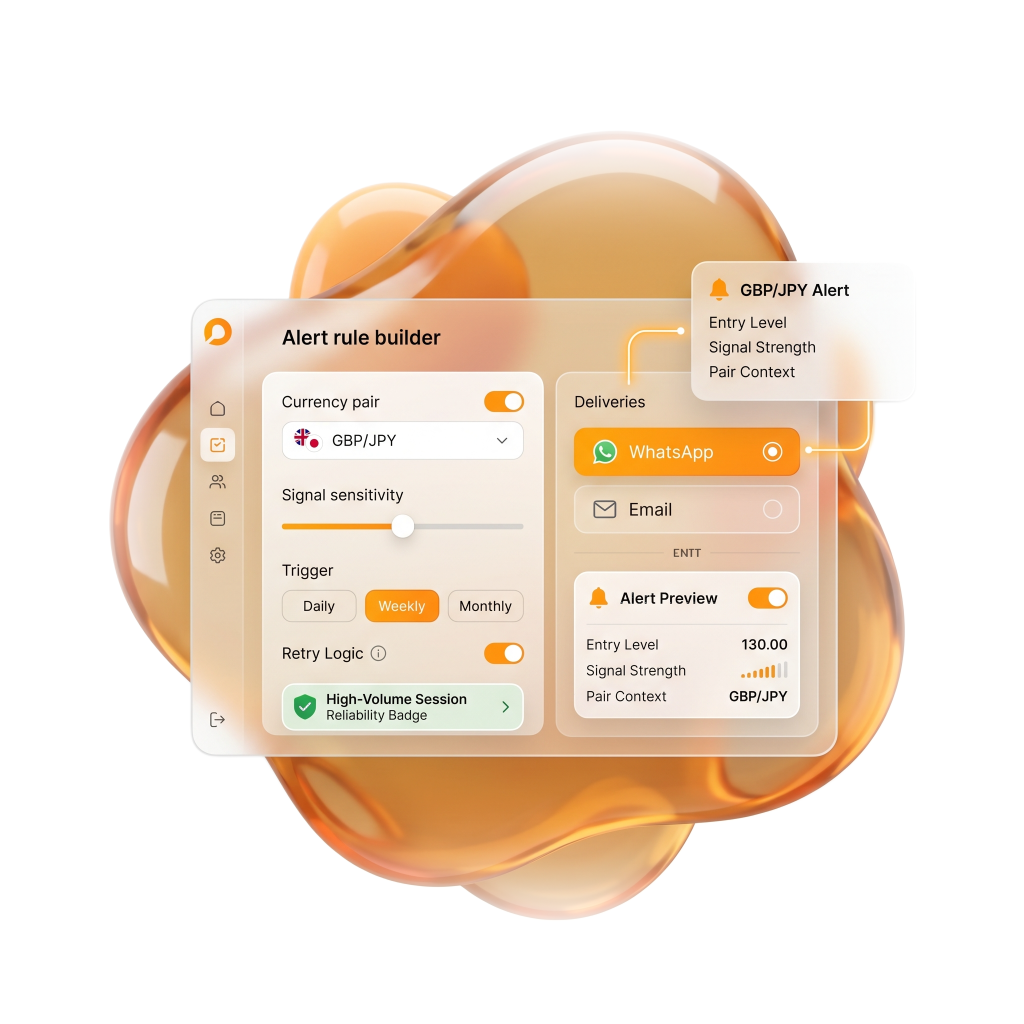
The AI bot for forex trading alert system was built with user-configurable rules, daily, weekly, or monthly trigger logic, so traders could tune signal sensitivity to their own strategy and timeframe. The pipeline was load-tested to maintain 85% accuracy under peak conditions, the exact scenario where the original system had been least reliable.

Frontoffice Tezeract

Per-Currency Dashboard and Community Layer

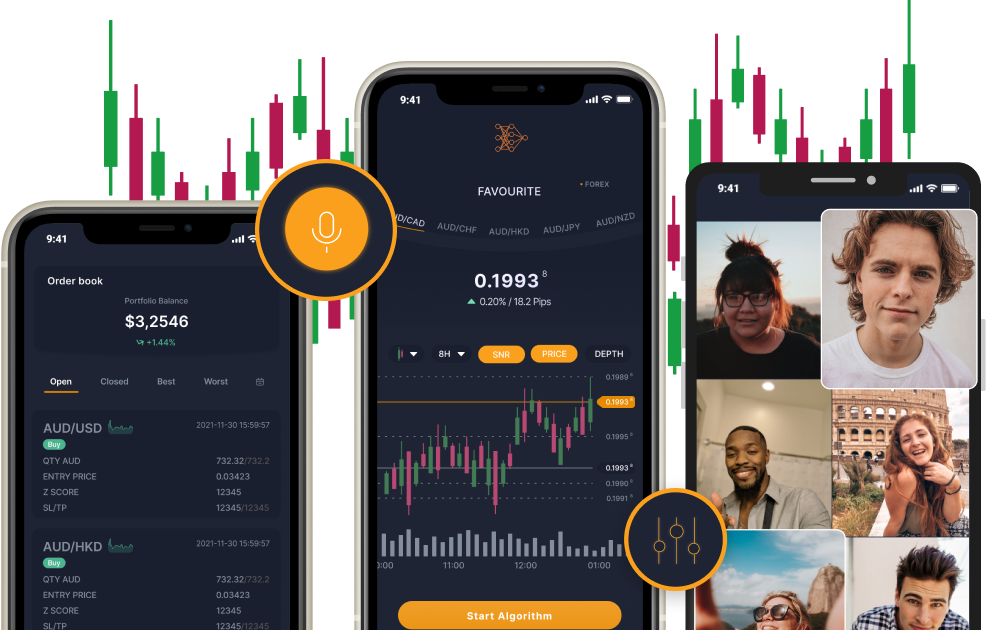
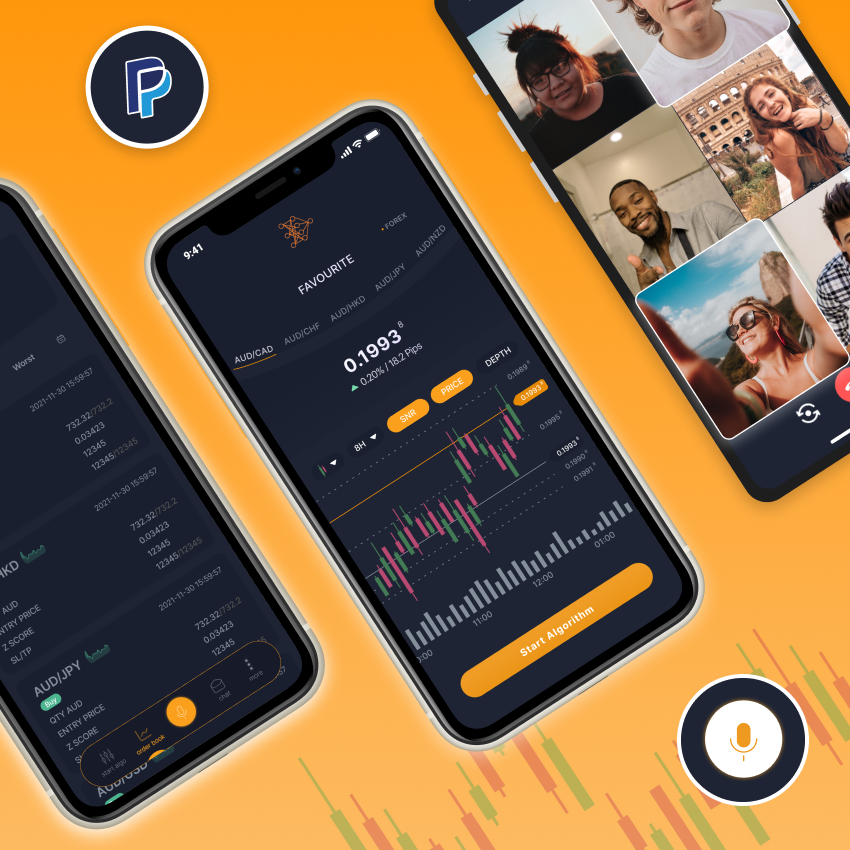
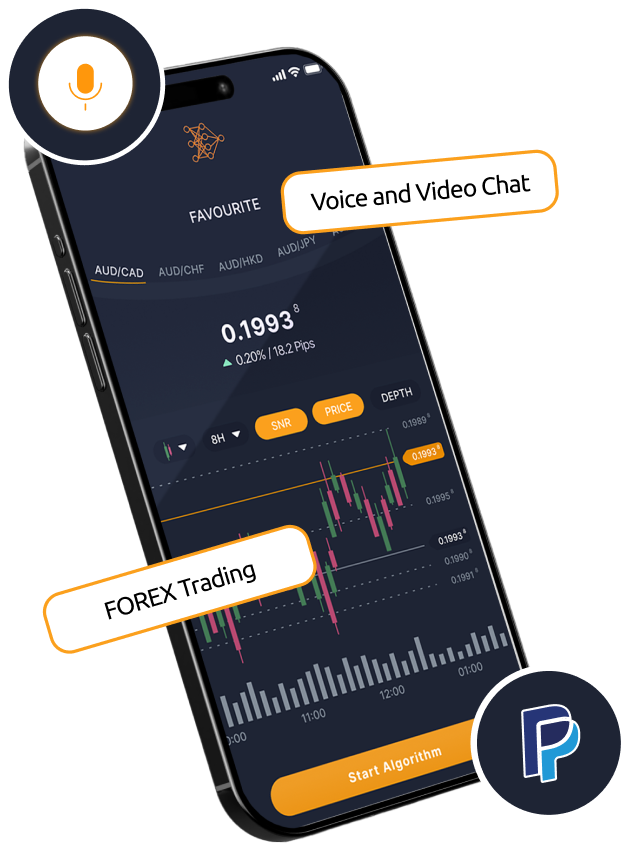
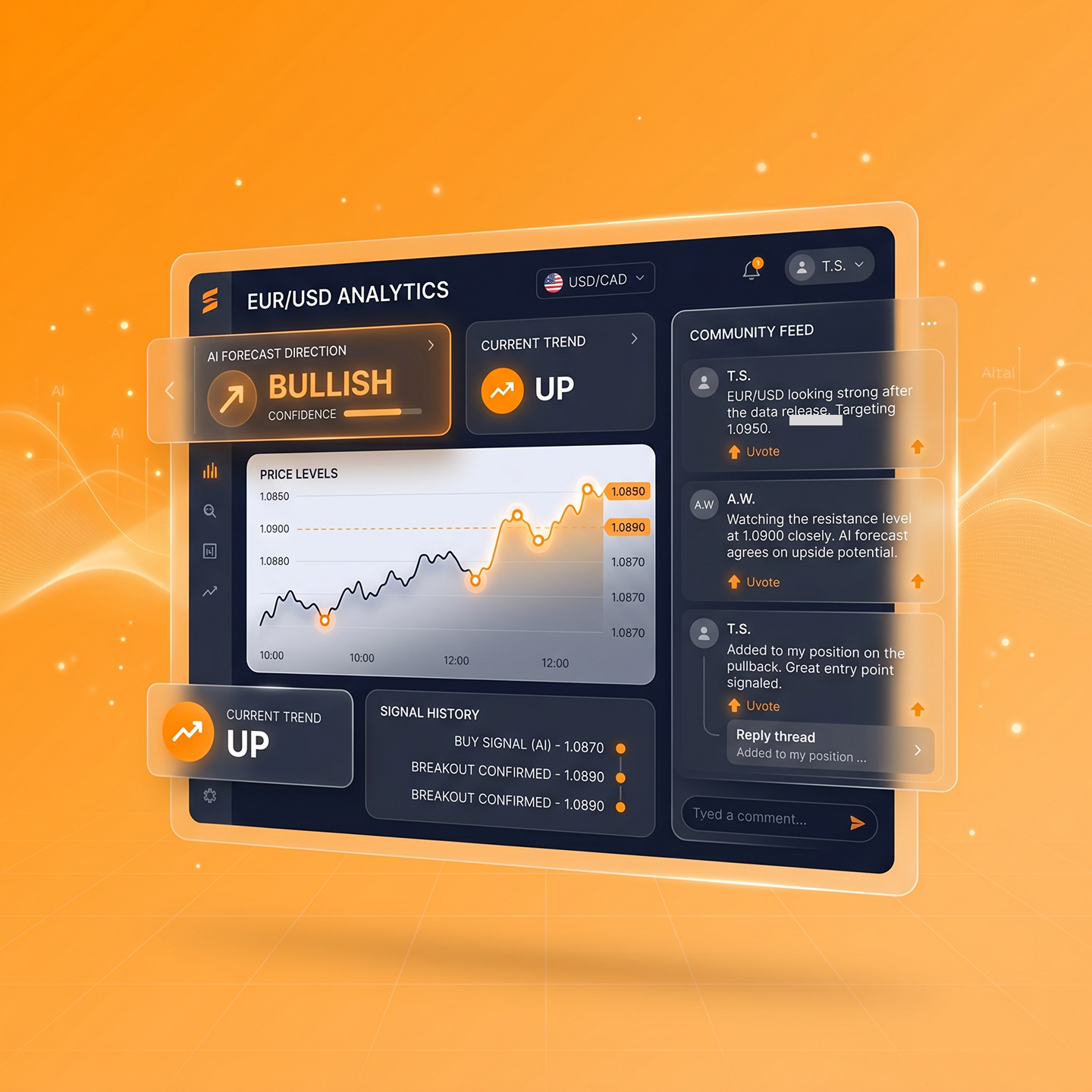
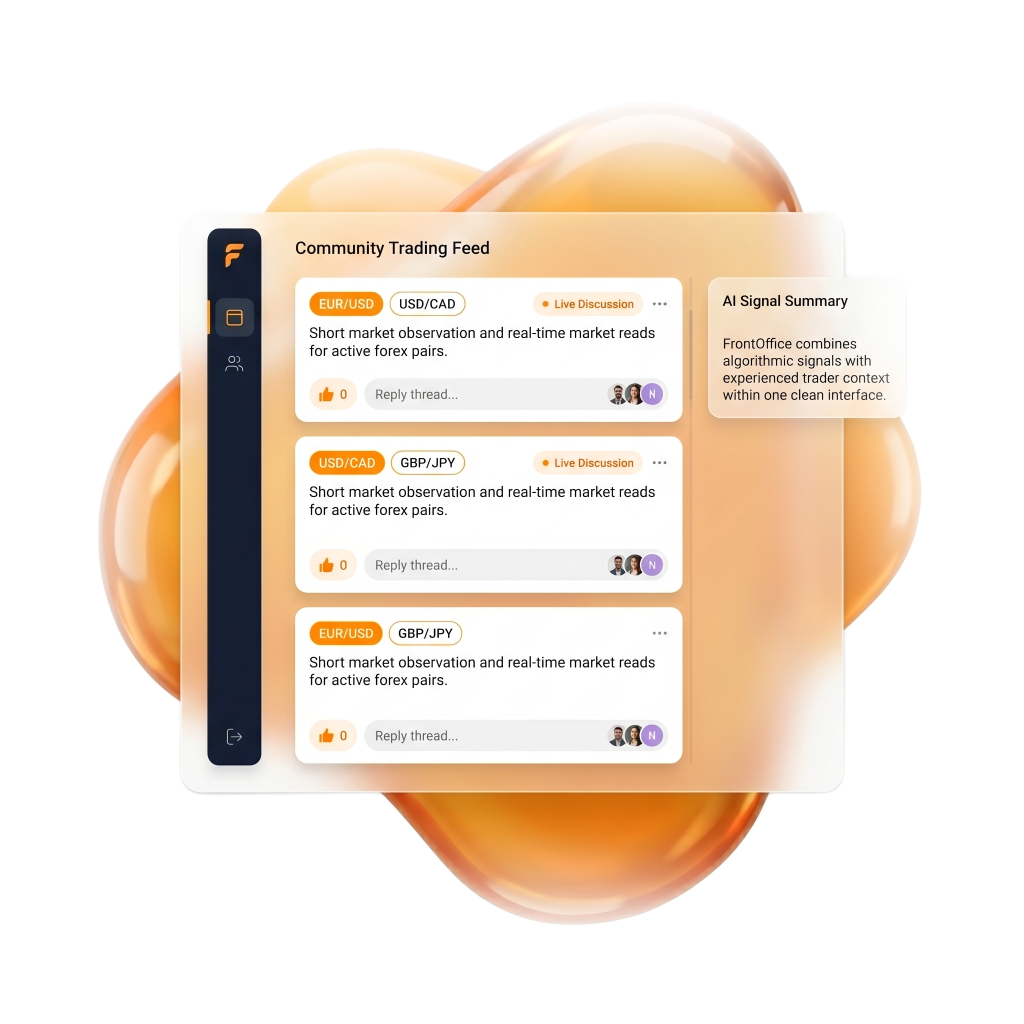
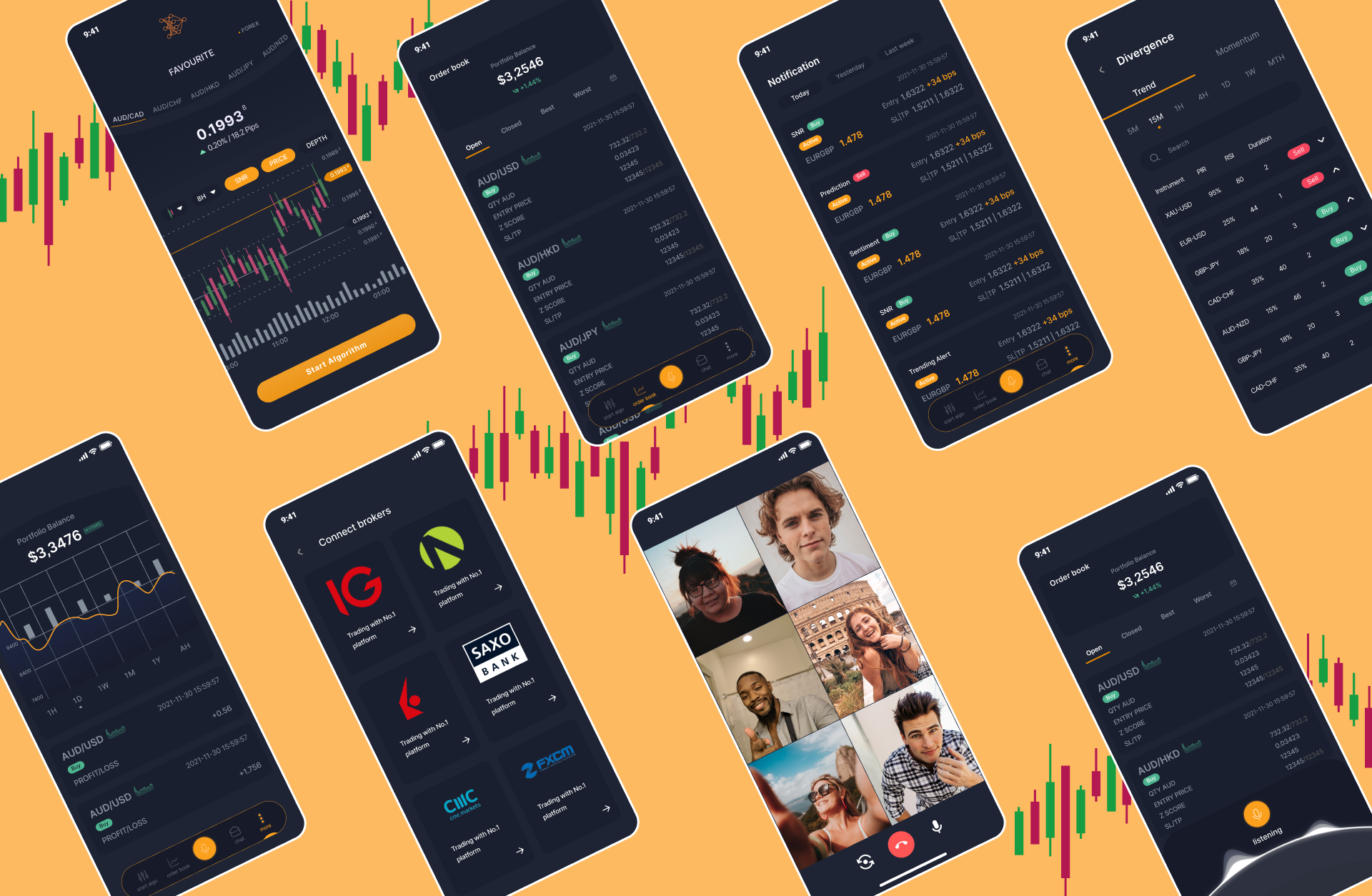
Each currency pair gets its own dashboard: AI forecast direction, key price levels, trend indicators, and signal history in a single view. The community feed lets traders post market observations, compare reads on active pairs, and discuss setups in real time.

Build AI Features Traders Actually Use

From pair-specific forecasting to real-time alerts, we design features that match how traders think and act in live markets.

Phases wise Deployment

01

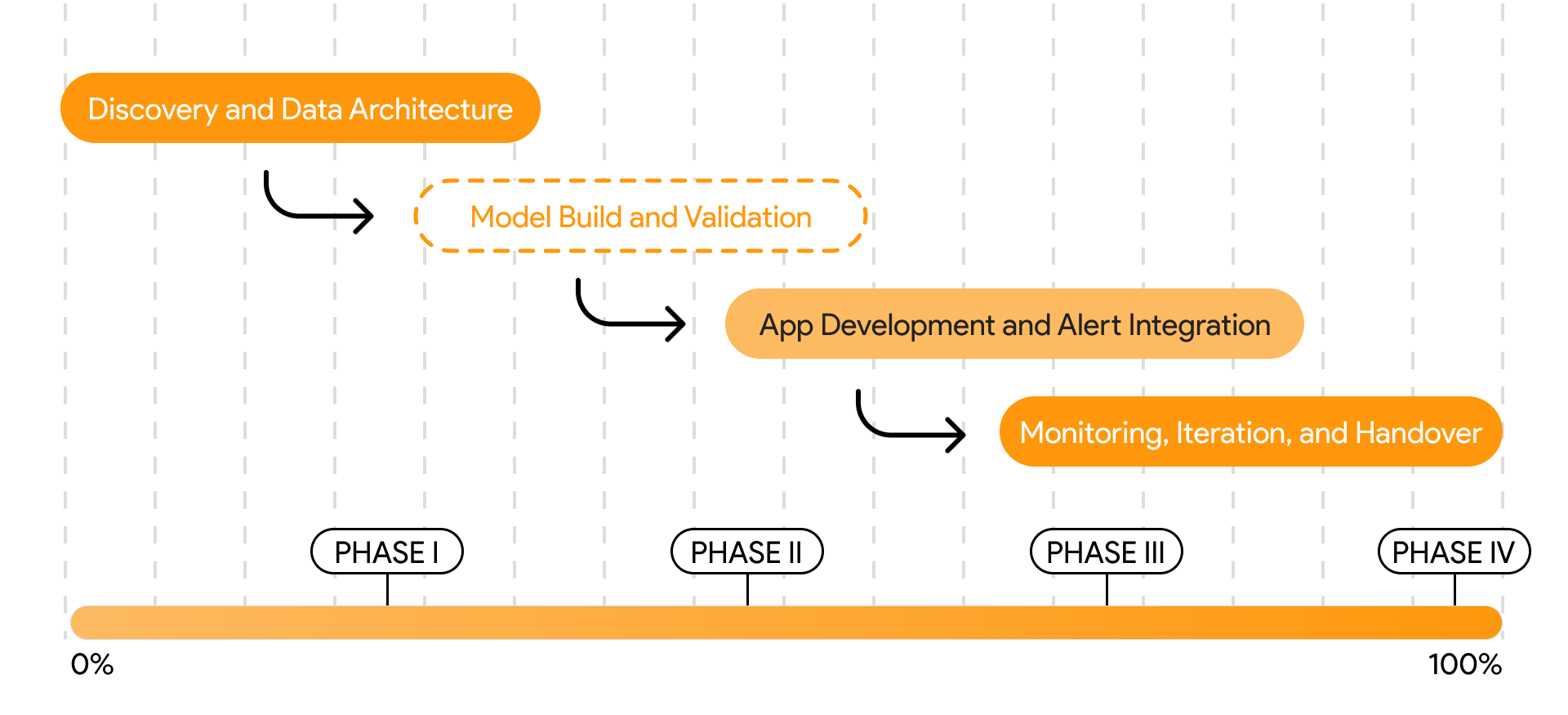
Discovery and Data Architecture

Tezeract ran structured discovery sessions with Charles to confirm the currency pairs in scope, define alert rule logic, map data sources for live and historical pricing, and establish the acceptance criteria for model accuracy before development started. The goal was to avoid the scope ambiguity that typically causes ML projects to drift, by locking down what “good” looked like before any model was trained.

Key Milestone: Signed-off data architecture, currency pair scope, alert rule framework, and model accuracy benchmarks.

Frontoffice Tezeract

02

Model Build and Validation

Three technical challenges surfaced during model development: Volatility regime shifts: Models trained on normal market conditions produced unreliable signals during volatility spikes. The team addressed this by training on stratified historical data and by adding model monitoring with scheduled retraining to keep signal quality stable as market conditions evolved. Data feed gaps and timing issues: Live market data feeds introduced inconsistencies in timing and format across currency pairs. The team built preprocessing pipelines with missing data checks and normalization logic to ensure the model received clean inputs. Backtesting edge cases: Certain historical periods (flash crashes, major economic announcements) produced model behavior that didn’t generalize. Backtrader validation identified these edge cases before deployment, and guardrails were added to flag unusual market states rather than generating signals the model wasn’t calibrated for. Key Milestone: AI agent for forex trading models passing accuracy benchmarks on held-out test data across all target currency pairs.

03

App Development and Alert Integration

The FrontOffice interface was built on top of the validated model pipeline, per-currency dashboards, alert configuration screens, community feed, and the WhatsApp/email delivery integration. Charles and his team reviewed user stories and tested alert behavior against live market conditions throughout this phase, approving tuning adjustments before each release.

Key Milestone: Full app live with alert delivery confirmed across WhatsApp and email, signal timing validated against real market sessions.

Frontoffice Tezeract

04

Monitoring, Iteration, and Handover

Post-launch monitoring tracked accuracy by pair, alert open rates, and response time from alert to user action. Two alert rule refinements and one model retraining cycle ran during this phase based on real user behavior data. Handover documentation covered model monitoring procedures, retraining schedules, and the alert pipeline health check setup.

Key Milestone: 30% accuracy improvement, 40% fewer missed opportunities, and 85% high-volume accuracy confirmed across production data.

Frontoffice Tezeract

Obstacles Countered and Resolved

Obstacles

Volatility regime shifts causing model accuracy to degrade during market spikes

Live data feed gaps and timing inconsistencies across currency pairs

Alert delivery failures during high-volume market sessions

Uniform signal thresholds producing noisy or slow alerts across different currency pairs

Backtesting edge cases, flash crashes, and major economic announcements, not generalizing to live conditions

Frontoffice Tezeract

Resolution

Trained models on stratified historical data that included high-volatility periods; added model monitoring and scheduled retraining so signal quality stayed stable as market conditions shifted

Built preprocessing pipelines with missing data checks, normalization logic, and retry handling to ensure the model received clean, consistently formatted inputs regardless of upstream feed quality

Rebuilt the alert pipeline with low-latency WhatsApp and email delivery, load-tested to 85% accuracy under peak conditions, with health checks and retry logic preventing failures during market spikes

Built pair-specific ML models trained on each pair’s individual historical behavior, EUR/USD, GBP/JPY, and others, each run through their own model rather than a shared generic one

Used Backtrader to identify edge cases before deployment; added guardrails to flag unusual market states and suppress signals the model wasn’t calibrated for

The Results

30%

Increase in trading accuracy

40%

Fewer missed opportunities

85%

High-volume market accuracy maintained

Frontoffice Tezeract

The 30% accuracy improvement came from replacing static threshold-based signals with ML models that learned pair-specific patterns from historical data. Traders weren’t getting more alerts; they were getting better ones, calibrated to the actual behavior of the pairs they traded rather than generic indicator crossovers.

The 40% reduction in missed opportunities reflected improved alert timing. The original system fired alerts after conditions had already been met; the FrontOffice pipeline surfaced signals as conditions were developing, giving traders enough lead time to evaluate and act.

The 85% high-volume accuracy figure addressed the specific failure mode Charles had identified from the start. Most AI for forex trading tools degrade during volatility spikes, the exact moments when accurate signals matter most. FrontOffice maintained accuracy through load testing, model monitoring, and the volatility-regime training data that had been built into the model development process from Phase 2.

Before FrontOffice, traders were making decisions in the dark. Volatility hit without warning, short-term predictions were unreliable, and by the time an alert arrived, the window had already closed.

The app changed what traders could actually act on.

For Active Forex Traders

1

Real-time AI forecasting. Clear, directional signals

2

Instant alerts delivered via WhatsApp or email

3

A 30% improvement in trading accuracy

4

Less time watching charts, more time acting on the right signals

For Trading Firms

1

Automated forex analysis runs continuously without requiring a dedicated analyst

2

A modular architecture that integrates with existing data feeds

3

Consistent signal quality across high-volume trading periods

4

Documented performance metrics to demonstrate ROI to stakeholders

Ready to Launch Smarter Trading Features?

We help you design and develop AI-driven dashboards, alert systems, and community tools that traders rely on daily.

sub heading component

What tech stack do we use for the machine learning case study?

Leveraging FrontOffice with Our Advanced Artificial Intelligence Technology Stack

React , React Native cross-platform framework icon, React JavaScript library logo

React

React , React Native cross-platform framework icon, React JavaScript library logo

ReactJS

React , React Native cross-platform framework icon, React JavaScript library logo

React Native

Python programming language for AI development

Python

Nest js language

NestJS

AWS logo - machine learning services

AWS

Flask Python microframework icon

Flask

Backtrader Icon

Backtrader

TA-Lib icon

Ta-Lib

SciPy scientific computing icon

scipy

NumPy numerical computing logo

Numpy

Pandas data analysis library icon

Pandas

Requests - HTTP library in Python

Requests

Forexpython - Python library for foreign exchange rates and currency conversion

Forex-Python

Tools & Technologies

Description

Frontend Development

Backend Development

AI and Data Processing

Technical Analysis and Backtesting

API and Serving Layer

Cloud Infrastructure

Key Capabilities Built

Frontoffice Tezeract

01

Pair-Specific AI Forecasting

Each currency pair runs through its own ML model trained on that pair’s historical price behavior, not a generic model applied uniformly across all instruments. EUR/USD and GBP/JPY have different volatility profiles, liquidity windows, and pattern characteristics; FrontOffice’s forecasting engine accounts for those differences rather than flattening them.
Frontoffice Tezeract

02

Configurable Alert Delivery via WhatsApp and Email

Traders set their own alert rules and choose their delivery channel. The pipeline includes retry logic and health checks so alerts don’t fail during the high-volume sessions when they’re most needed. Signal context is included in every alert so traders can evaluate without opening the app.
Frontoffice Tezeract

03

Community Trading Feed

Traders post market reads, share observations on active pairs, and discuss setups in real time through an in-app community feed. The social layer adds a qualitative signal dimension that pure algorithmic tools miss, experienced traders often surface context that no model captures, and FrontOffice gives that context a place to live alongside the quantitative signals.
Frontoffice Tezeract

04

Backtested Signal Validation

Every signal model was validated against historical data using Backtrader before deployment, including high-volatility periods and edge cases such as flash crashes and major economic announcements. Traders can see signal history per pair, giving them a track record to evaluate rather than asking them to trust a black box.
sub heading component

What potential use cases of Frontoffice?

How AI helps Forex teams act faster and trade with control

AI can help teams handle Forex trading challenges like fast price moves and too much data. It turns current and past market data into signals and real-time trading alerts, so decisions are based on rules, not stress.

Retail Forex Traders Managing Multiple Pairs

Individual traders use FrontOffice to monitor currency pairs they can’t track manually, receiving AI-generated forecasts and configurable alerts that surface setups across their watchlist without requiring them to monitor every chart simultaneously.

01

Small Trading Teams Reducing Execution Lag

Trading teams use the AI forex signal generator to standardize signal criteria across team members, replacing individual chart interpretations with a shared, model-generated signal that everyone acts on the same way, reducing the execution inconsistency that comes from different traders reading the same chart differently.

02

Swing Traders Tracking Weekly Setups

Longer-timeframe traders configure weekly alert rules and use the per-currency dashboard to track developing setups across multiple pairs, checking in on FrontOffice’s forecast direction each morning rather than monitoring charts throughout the day.

03

Fintech Platforms Adding Forex Intelligence

Fintech companies embed FrontOffice’s AI agent for forex trading signal infrastructure into their own client-facing products, giving users access to ML-generated forex forecasts and real-time alerts without building a separate data pipeline and model training operation from scratch.

04

Frontoffice Tezeract

Want an AI-Powered Forex Trading App Built Around Your Users' Actual Trading Behavior?

Off-the-shelf signal tools apply the same logic to every trader and every pair. If your platform needs forecasting that accounts for pair-specific volatility, alert delivery that reaches users before the window closes, and a model validation process that holds up under real market conditions, that requires a custom build. Tezeract has the machine learning and fintech engineering depth to scope and deliver it.

Whether you’re building a new trading platform from scratch or adding an AI forecasting layer to an existing product, Tezeract can help you define the right architecture and deliver it on a timeline that works. Talk to our team and let’s map out your build.

sub heading component

Your questions answered here

Frequently Asked Questions

An AI-powered forex trading app uses data from currency markets to generate signals, forecasts, and alerts. It can track many currency pairs at once and highlight changes that match a user’s rules. Most products focus on forecasting, alerting, and analysis, not profit promises. For business teams, the value is better user engagement, fewer missed moves, and clearer decision support.


AI forex prediction uses machine learning models trained on current and historical market data. The model outputs a forecast or a score that can be turned into a signal. A good setup includes testing, monitoring, and regular updates, since markets change and older patterns can fail.


Automated forex trading analysis turns raw price data into structured insights such as trend direction, indicator readings, and signal strength. It saves time and reduces analysis paralysis. It also supports consistency, since the same checks run every time.


An ai bot for trading forex is often a generic tool with fixed rules and limited tuning. A custom product is ai software for forex trading built around your users, your data sources, your alert logic, and your compliance needs. Custom builds also give you control over monitoring, reliability, and how signals are explained.


Most builds start with historical price data (OHLC), volume or tick data if available, and calendar events. Some add sentiment or news signals if the business can source it cleanly. Data quality matters more than data quantity. You also need rules for missing data and delays to avoid bad alerts.


Missed opportunities often come from late signals and unclear triggers. A strong alert system uses clear rules, low-latency delivery, and user controls. It also includes retry logic and health checks so alerts do not fail during market spikes.


Volatility can break patterns and increase false signals. Teams keep outputs stable using model monitoring, scheduled retraining, guardrails for unusual market states, and stress tests on high-volatility periods. The goal is to keep signals usable, not perfect.


A business-grade product makes AI support a process, not replace thinking. Teams add explainable signal reasons, risk notes, and user controls. Many also add clear product language that forecasts are decision support, not guarantees.


 AI can reduce emotional trading mistakes by providing consistent checks and rule-based alerts. Traders can follow a plan instead of reacting to noise. The biggest win comes when the app helps users stick to one strategy and review results.


Common KPIs include alert open rate, time-to-action after alerts, retention, repeat sessions, and reduction in missed opportunities. For model quality, track accuracy by pair, drift over time, and performance during high-volume windows. Tie KPIs to user trust and churn.


Common problems include data delays, model drift, alert spam, and unclear signals that users do not trust. Some teams also face outages during volatility spikes. Production monitoring, fallbacks, and clear alert rules reduce these issues.


Timelines depend on scope, data access, and integrations. Many teams start with a small MVP that covers a few pairs, basic alerts, and one dashboard. Then they expand coverage, add monitoring, and improve models based on user feedback.


Customization usually means rule settings by timeframe, pair selection, and signal thresholds. Some teams let users choose alert frequency and delivery channels. This improves adoption because a scalper and a swing trader need different triggers.


Multi-pair products need consistent formatting, time alignment, and error handling. Teams build pipelines that clean, store, and serve data in a standard way. This reduces gaps that can cause wrong signals or late alerts.


Trust improves when the app shows the reason behind a signal in plain language. Examples include trend direction, key levels, and what changed since the last alert. Clear language and stable alert rules reduce confusion.

 
WhatsApp